
On the Death of Léon Krier

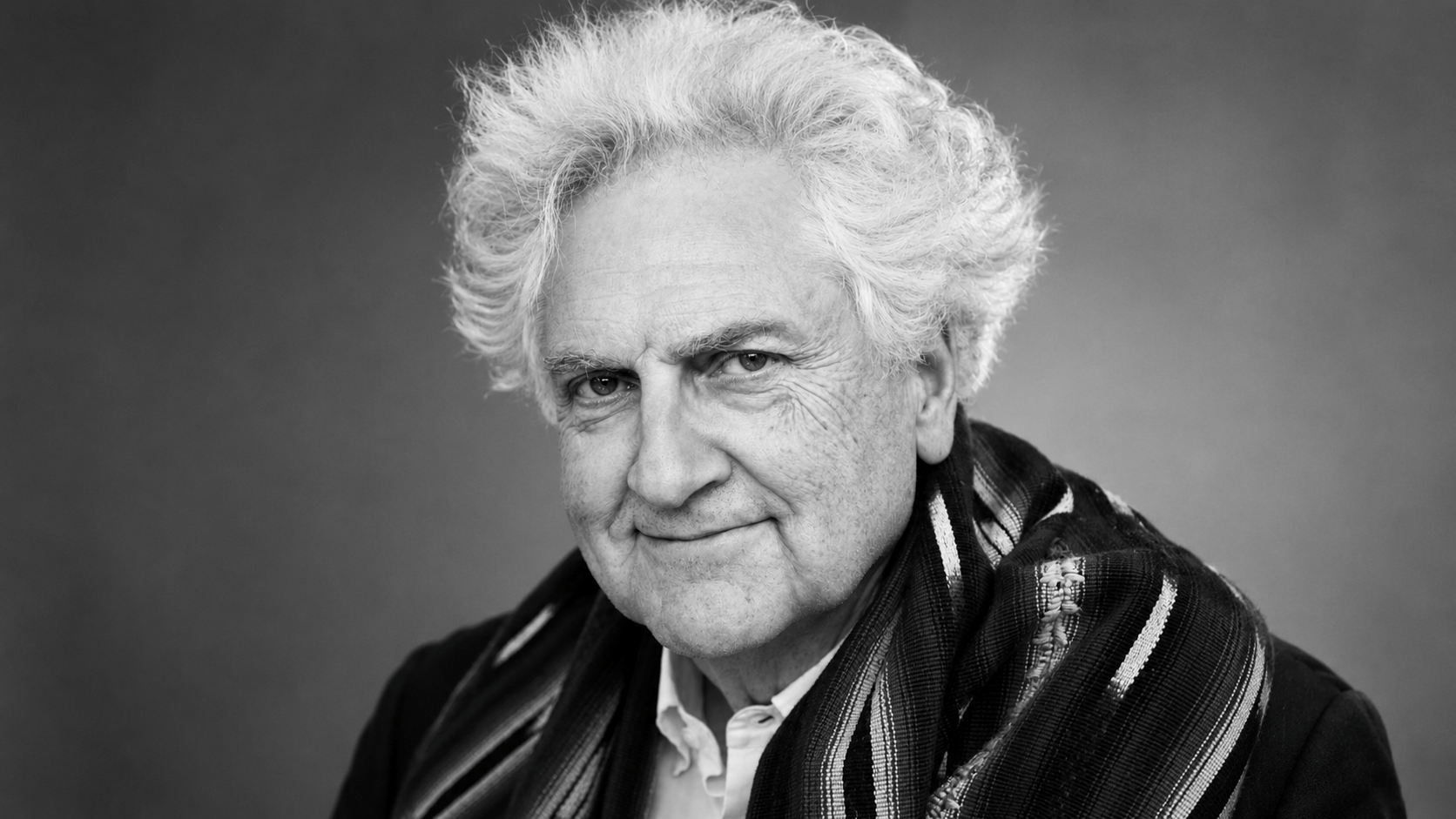
Façades no longer speak, squares no longer gather people, streets no longer guide; they harden into shells, leftover spaces and transport corridors. The degradation of the built environment today wears the mask of the self-evident: functional and eligible for funding, compliant and resource-efficient, contemporary to the point of facelessness. Léon Krier devoted his life’s work — in writing, drawing and planning — to opposing the confusion of progress with neglect.
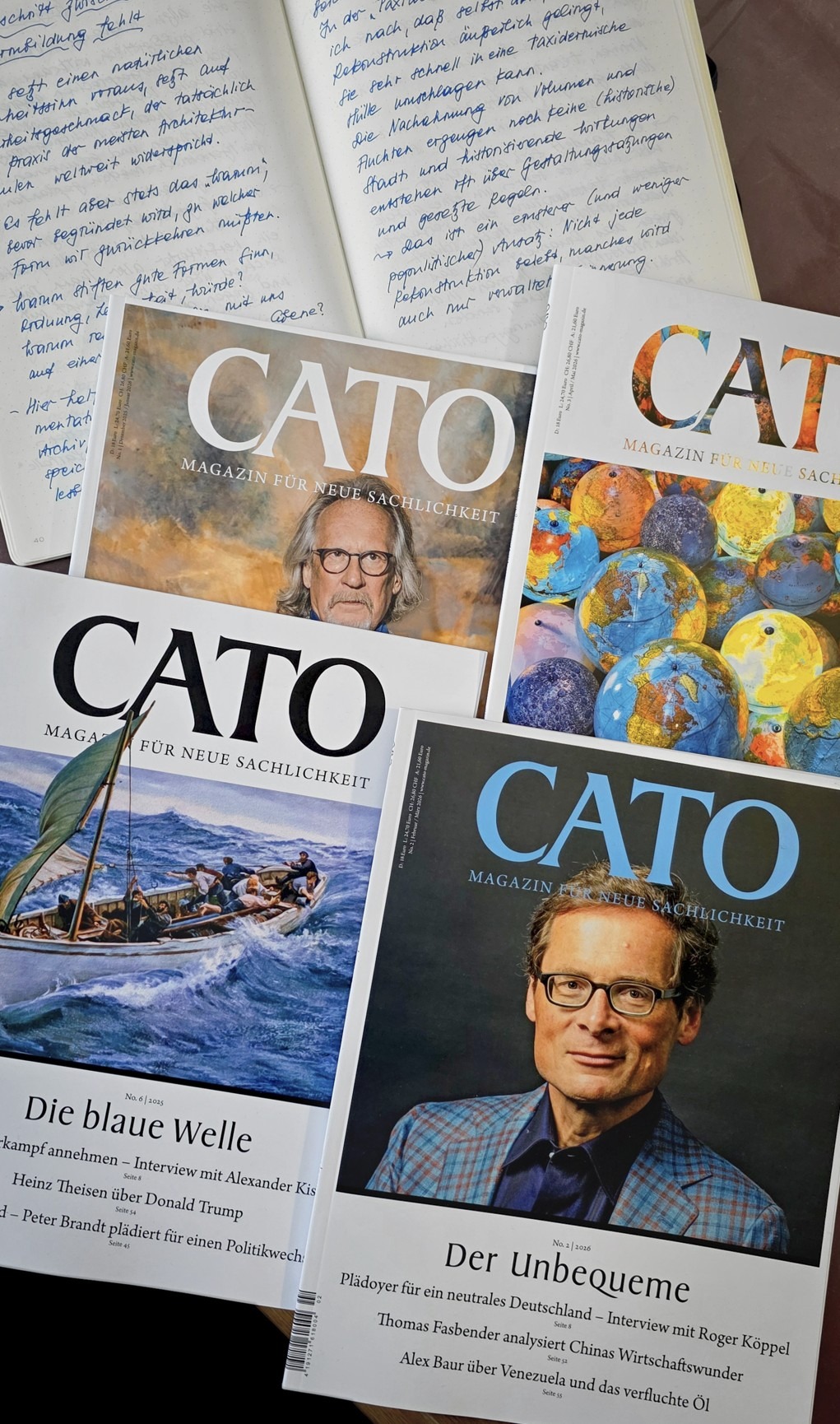
With his death, Europe lost not merely an architect but one of its last thinkers on form for whom architecture was never simply an investment vehicle, a technical shell or a matter of private aesthetic preference. Born in Luxembourg in 1946, Krier died in Palma de Mallorca in 2025. He became known as a fierce critic of modernism, an advocate of traditional building and the guiding mind behind Poundbury; yet his true subject was larger: the city as a legible moral and political order. He defended the classical European city less because it had been beautiful than because it remained legible, walkable and open to lived experience: neighbourhoods and mixed uses, short distances and discernible hierarchies of public space were, for him, the basic terms of a civic grammar articulated in space. Where that grammar is no longer spoken, more than the cityscape is impoverished; civic life itself falls silent. The idea that façades could speak, squares gather people, streets guide and neighbourhoods foster belonging soon came to be dismissed by modernism as sentimental excess. Krier saw in this no mere stylistic rupture, but a break in civilisation. That is precisely why his voice also found a home in CATO: architecture was understood as a question of civilisation, not an aesthetic pastime.
Krier’s true greatness lay in restoring beauty from the realm of private feeling to the status of a public concern. For him, it was res publica: the visible form of an order in which street and square, house and façade remained bound by mutual obligations. Against modernism’s hypertrophic megastructures and spaces emptied of meaning, he defended urbanity as a form of shared life. His teaching was therefore more than anti-modernism. He saw the European city as a fabric embodied in stone, reconciling use and memory, hierarchy and consideration, ownership and responsibility. For him, civic form meant neither stage scenery nor an antiquarian commodity, but disciplined freedom. From this standpoint, he recognised early on the flawed thinking behind CIAM-influenced post-war planning, which divided urban life into car-oriented zones and called the destruction of urban coherence “town planning”.
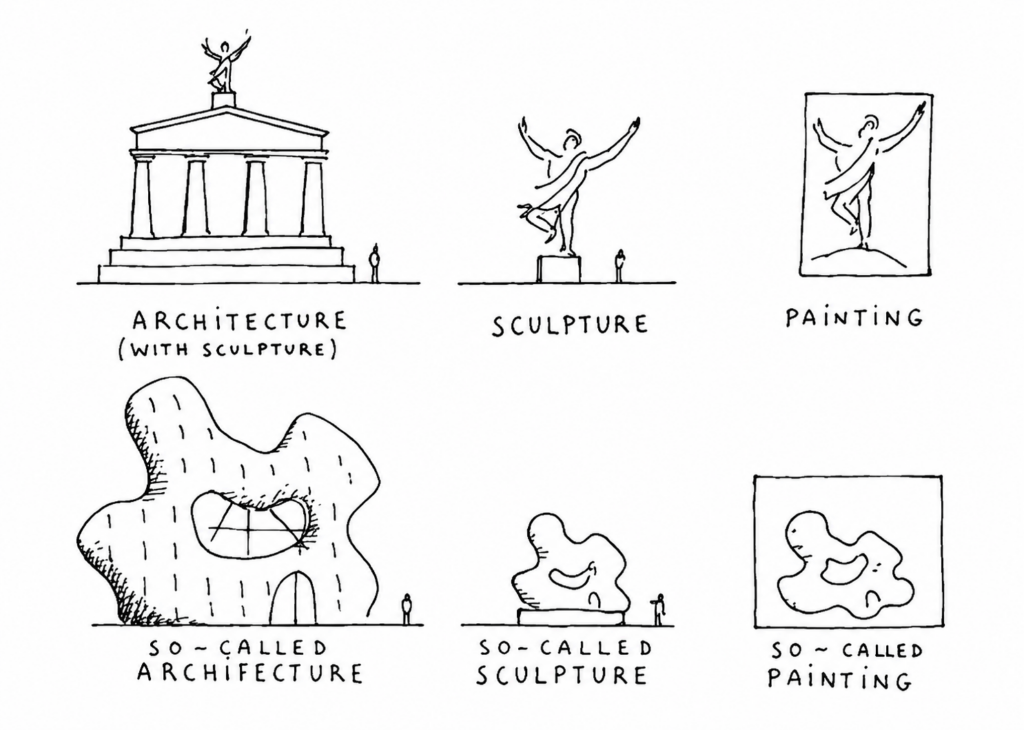
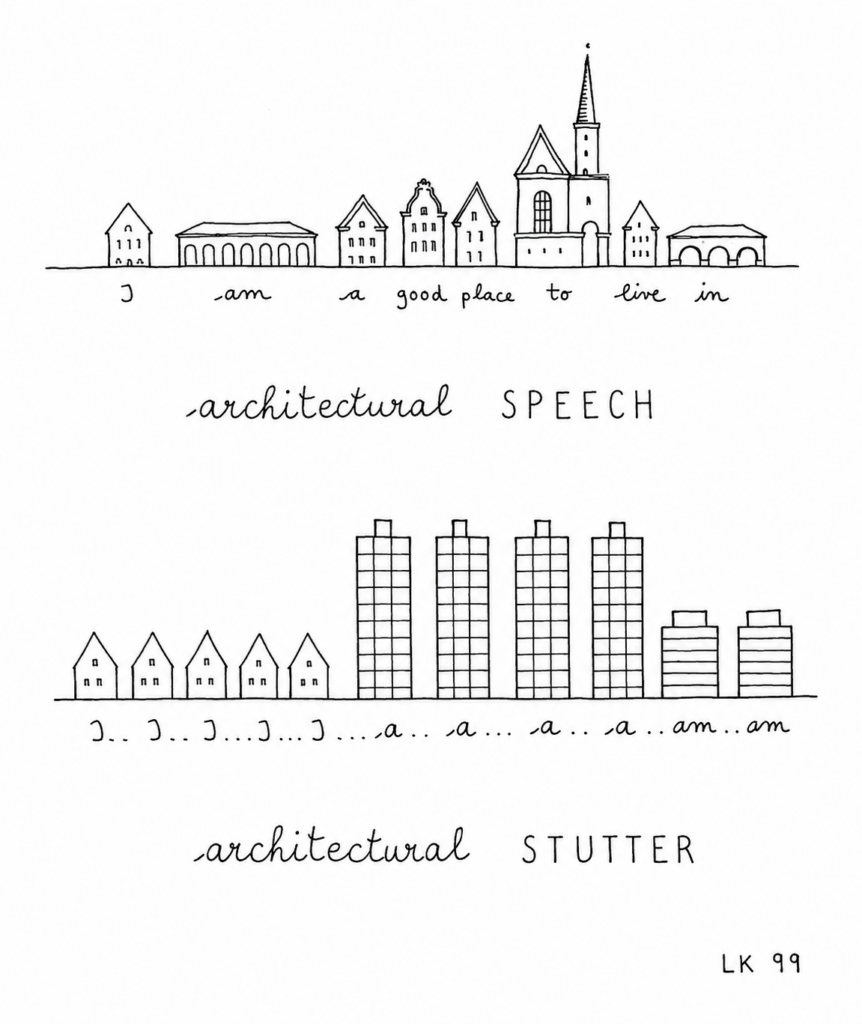
This consistency of thought took shape early. Through his elder brother Rob Krier, also an architect and urban theorist, Léon Krier encountered fundamental questions of form, type and public space at a young age. He abandoned his studies in Stuttgart; his London years with James Stirling, followed by his involvement with the Architectural Association and the Royal College of Art, acquainted him with an international modernism that promised the future everywhere yet so often produced uniformity. Krier thus knew this way of thinking from within. His criticism sprang not from resentment, but from a defence of ornament, type and classical composition against the confusion of lost meaning with sobriety.
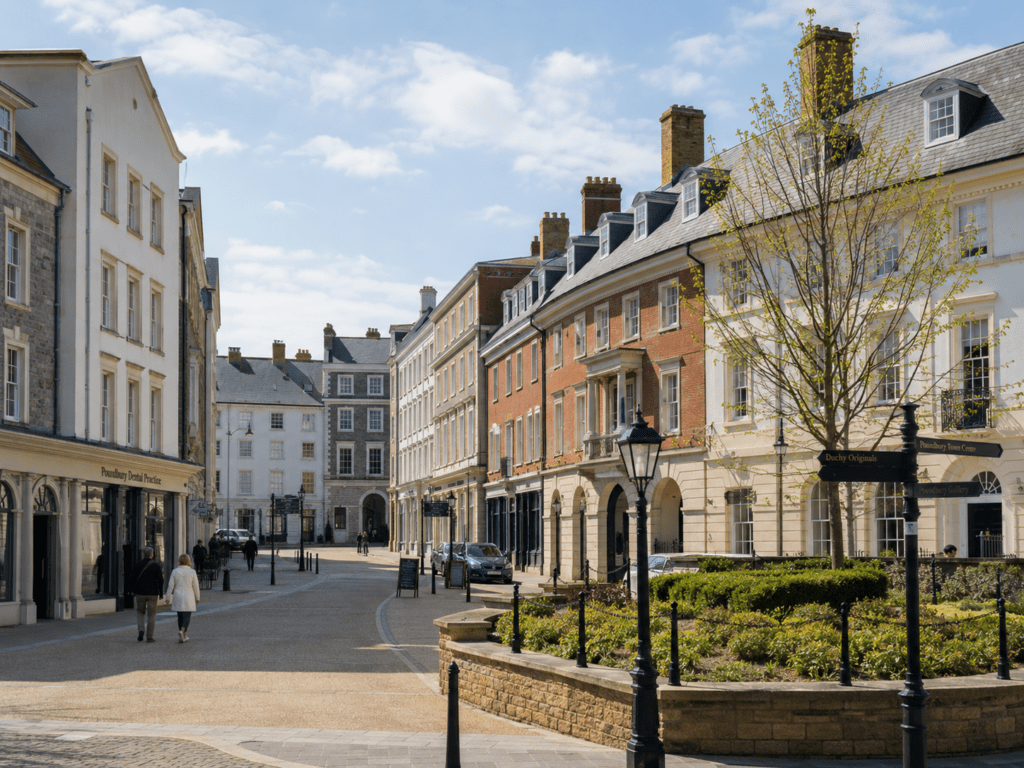
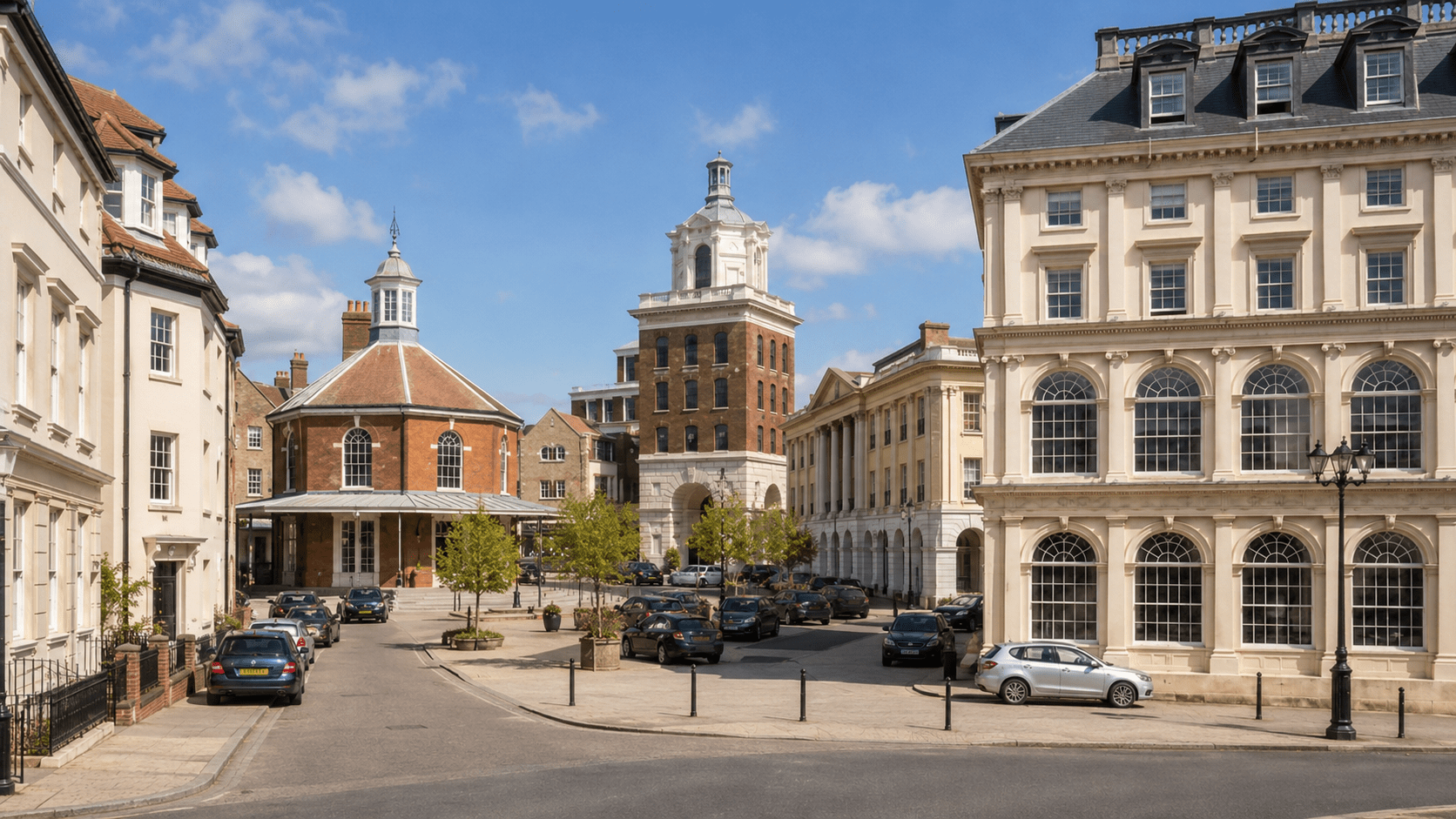
This challenge to the dogmas of post-war planning became most visible at Poundbury, on land belonging to the then Prince of Wales, where his theory took built form. What mattered was not the return of traditional façades as such, but the attempt at a coherent composition: mixed uses, walkable streets, comprehensible scales, houses with a front facing the public realm. What sounds obvious can sometimes be revolutionary. Later projects, including Cayalá, likewise showed that Krier’s thinking was not confined to the treatise. His real achievement was greater. He unearthed the buried question of what a city actually is. His answer had an enduring clarity. For Krier, a city was not the sum of approved building volumes, but an order of communal life made visible in space, tested in use and carried forward in memory. It requires boundaries and transitions, fronts and backs, the everyday and the festive; above all, it requires memory, understood not as museum-like preservation but as the capacity to carry forms forward. Krier thus once again subjected the built environment to the judgement of the ordinary, incorruptible eye. Those who follow that gaze will neither confine his insights to the revival of a historical vocabulary of forms nor allow his intellectual battles to harden into a commemorative formula.
To take the Luxembourger seriously is to carry his insights forward. For not every reconstruction is a rescue, not every historical shell heals, not every stage set reclaims civilisation. The past, too, can be politely quoted and still remain empty: ornament without structure, vocabulary without grammar, cornice without composition. Krier’s work reminds us that architecture draws its life not from inherited signs, but from their relationship to the whole. It begins where the house owes something to the street, the street to the square, and the individual to the common good.
Here, too, begins Krier’s relevance to the present. Ideological modernism, with its rhetoric of rupture, its contempt for what had evolved over time and its equation of novelty with truth, was always anathema to him. Yet the dividing line today no longer runs simply between modernism and tradition. It runs between architecture as a public statement and the production of space as an administrative product designed to minimise liability. The degradation of the city appears less often as doctrinaire concrete heroics than as standardised mediocrity. This bureaucratic drywalling of thought first hollows out the meaning of every form, then legitimises it by invoking procedural compliance. Ornament is no longer condemned as a crime in the name of manifestos; it disappears more quietly, under regulatory conditions, diffused responsibility and bureaucratic caution. Those who think only in performance metrics, efficiency models and certifications no longer build for the public, but for the inspector’s sign-off. The result is an environment that scarcely needs to be visibly disfigured to feel like a failure: smooth, clean, compliant — and inwardly mute. His alternative, as he put it in CATO, was radically simple: to “plan and build for the common good”.
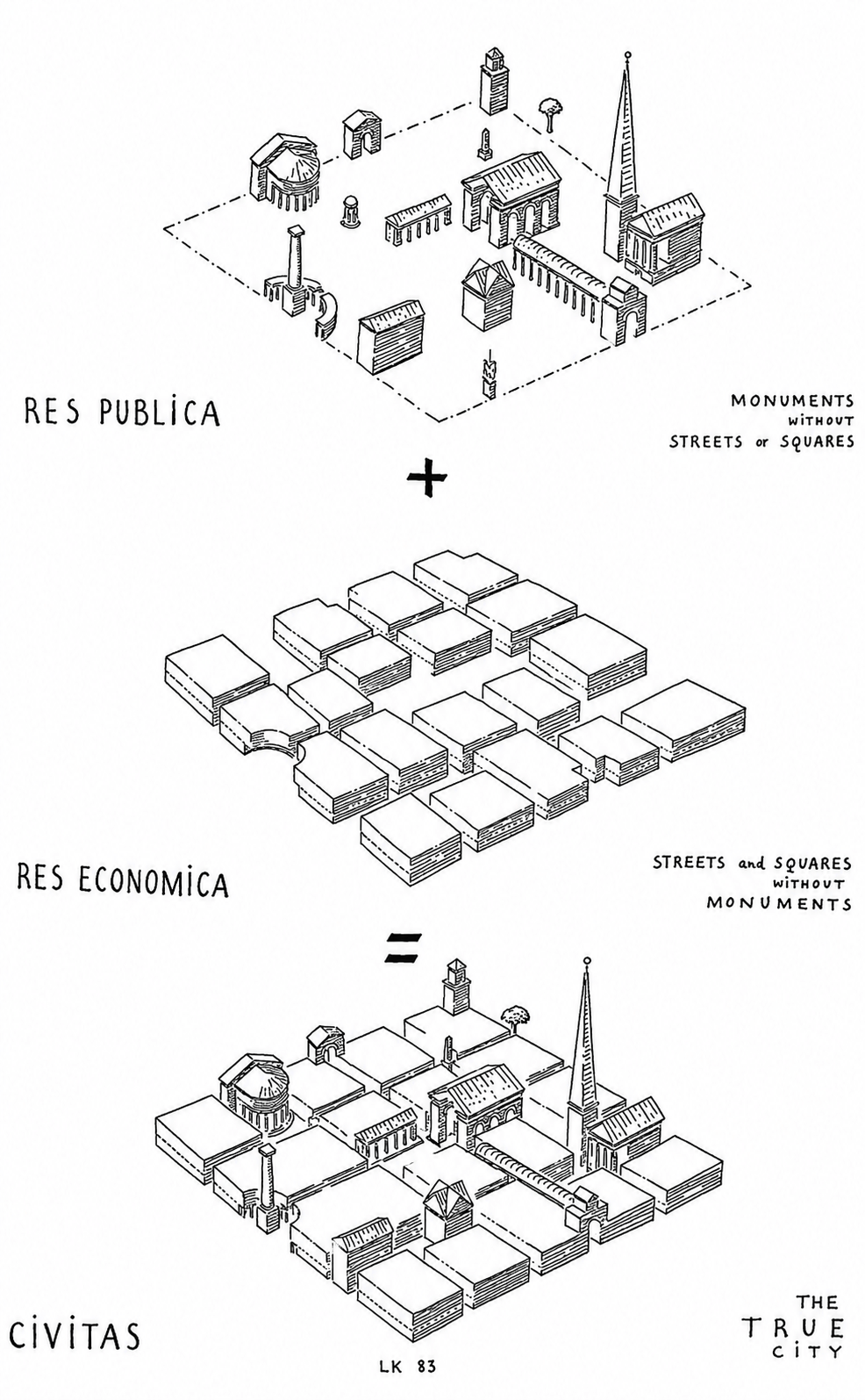
It is against this liability-averse present that Krier’s standard proves its worth. Those who have learned from him see buildings as more than investments or functional programmes. They ask whether buildings address people as citizens or reduce them to users; whether they give the city a face or render it still more anonymous. For Krier, the city was no collection of approved volumes, but an embodied order of communal life. Here lies the enduring relevance of his thought: it calls not for sentimentality, but for discernment, reminding us that beauty is no luxury, but the physically perceptible expression of proportion, composition and rhythm.
The label “reactionary” thus missed the mark entirely. It said more about a milieu that had come to regard such concepts with suspicion than about Krier himself. His concern was not to escape into the past, but to challenge the degradation of the city as the price of modernity. His tacit premise was that human beings have a right to surroundings that uplift rather than diminish them. His aim was conservative; his dissent, revolutionary.
Perhaps it will one day be recognised that Léon Krier’s lasting achievement lay not only in his drawings, books and buildings, but in an intellectual clarification that was almost cathartic. He freed the discourse from a policing of language in which everything was permitted except stating the obvious: that most people know perfectly well when a building leaves them cold, when a square fails to hold them, when a neighbourhood turns them away and when a street offers no sense of belonging. When Krier wrote in CATO that the “spontaneous sense of beauty” could “no longer be suppressed”, he meant precisely this buried capacity for judgement. He restored dignity to judgement unwarped by received doctrine, without ever allowing it to descend into mere populism.
Léon Krier was no man for conciliatory vagueness. He sought not to smooth over differences, but to make them visible. He welcomed debate because he knew that without judgement there could be no form, and without form no civic community. Above all, communal life flourishes where memory is put to use rather than preserved in a museum. In this, too, Krier was a European thinker of stature: he taught that tradition arises not from copying the past, but from the ability to pass on form so that it becomes second nature in a new present. That is precisely why his death means more than the loss of a distinctive voice in architectural debate. With Léon Krier, we lose a thinker who insisted on a truth our age no longer takes for granted: that architecture is first and foremost a question of civilisation, rather than of technique.
The question he leaves behind therefore remains unrelentingly urgent: will we continue to accept formlessness masquerading as reason and the draining of meaning from the built environment passing for progress? His death does nothing to blunt that question. As long as it remains unanswered, his work endures as a standard by which to judge.