Fraenkelufer Synagogue
a palimpsest of memories of the future
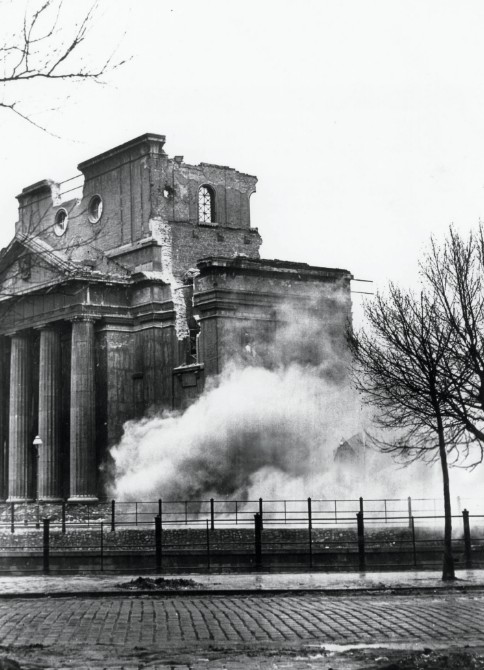
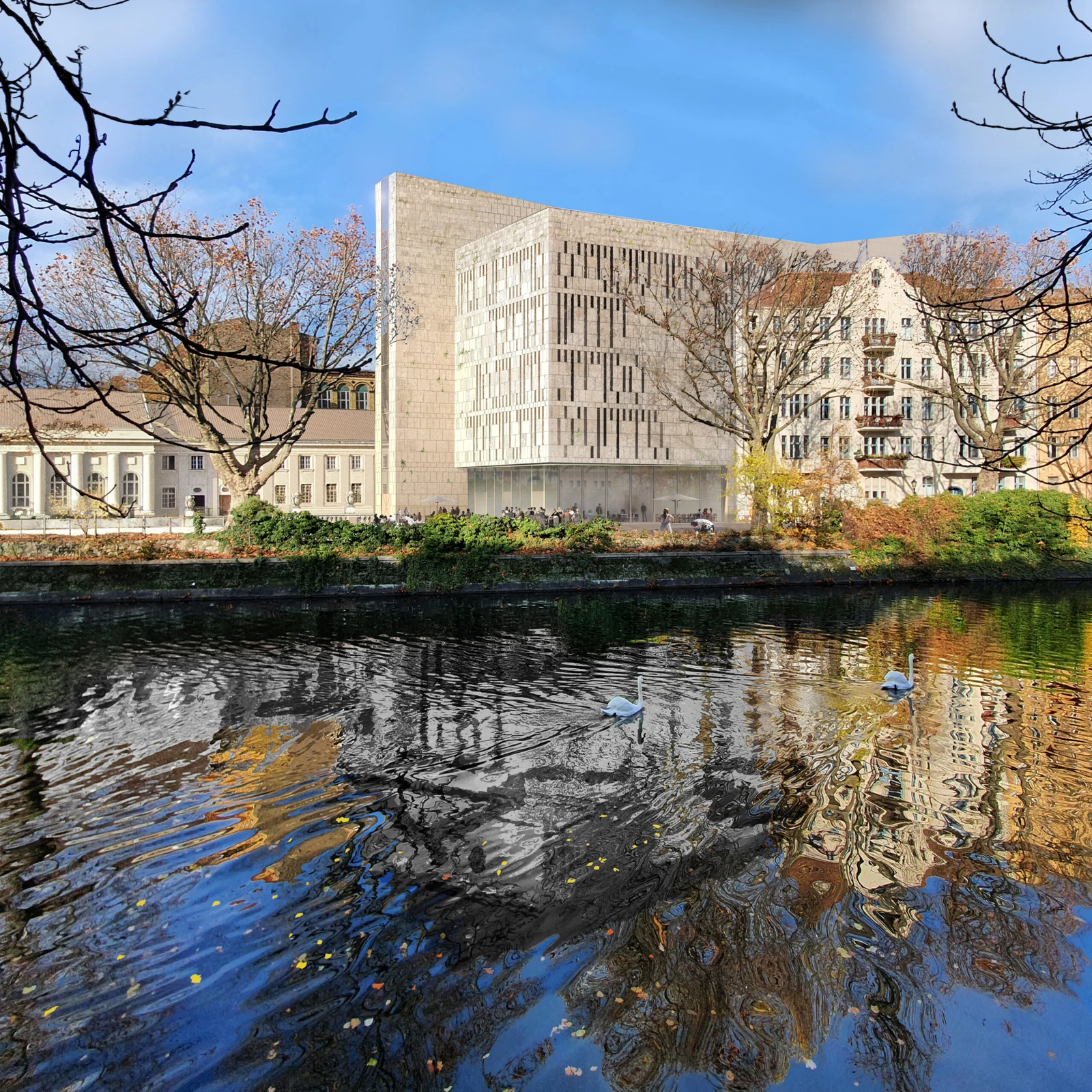


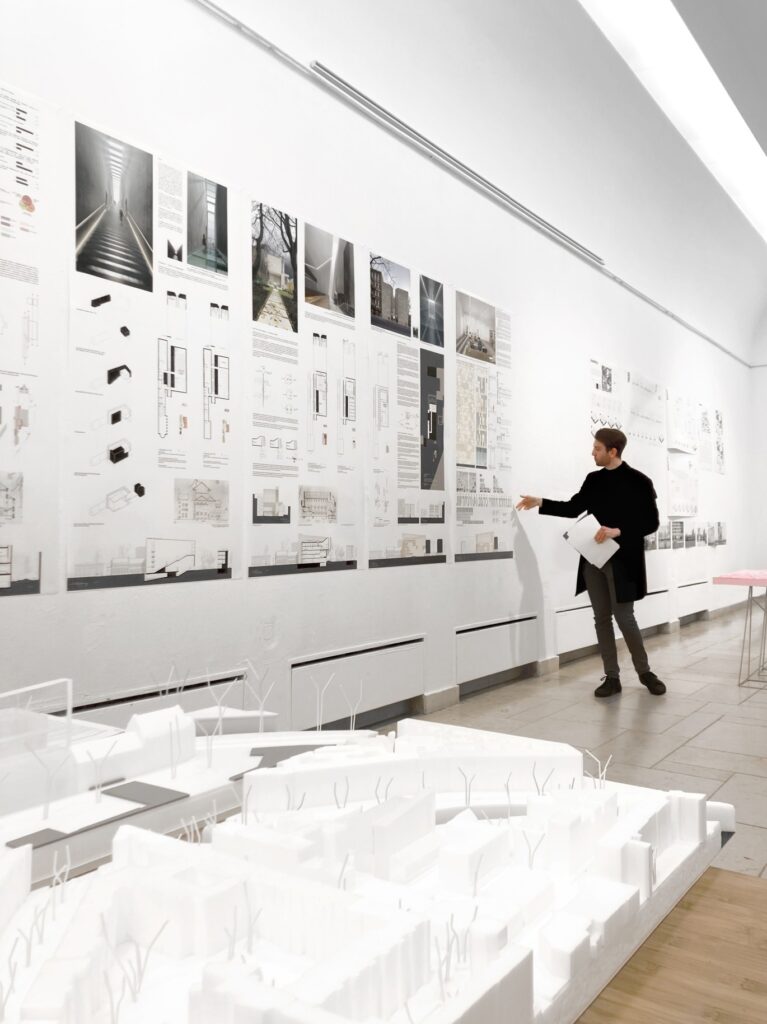
Some subjects stay with us longer than we initially expect, not merely out of interest, but because they become entangled with the course of our lives, our inner questions and the tensions of society. The synagogue on Berlin’s Fraenkelufer became one such subject. What began as a search for a master’s thesis topic grew into an engagement that extended far beyond a student’s final project and a highly specialised professional debate. The first edition of this work was something of an incidental by-product: a snapshot of the transition from university to professional life. The second edition has been conceived all the more deliberately, out of a need to gather the continuing echoes of the work’s reception.
Since the first publication, growing distance in time has brought a change not only in my own perspective, but also in the external circumstances. A once-open debate, set in motion only through intensive press work surrounding this master’s thesis, has been narrowed by the competition that has since been decided. The broad field of possibilities offered by this extensive, empty site has given way to a narrow corridor of opinion. What remains is the realisation that the questions that truly matter are unwieldy, uncomfortable and full of friction. Jewish cultures of memory, synagogue architecture, participation and representation cannot readily be consumed or neatly resolved. They resist snap judgements and demand engagement and patience. They are “unwieldy” because they generate friction. How is Jewish architecture discussed in Germany today: who speaks, who is heard, and who is left outside? Why is it so difficult to distinguish symbolic representation from genuine participation?
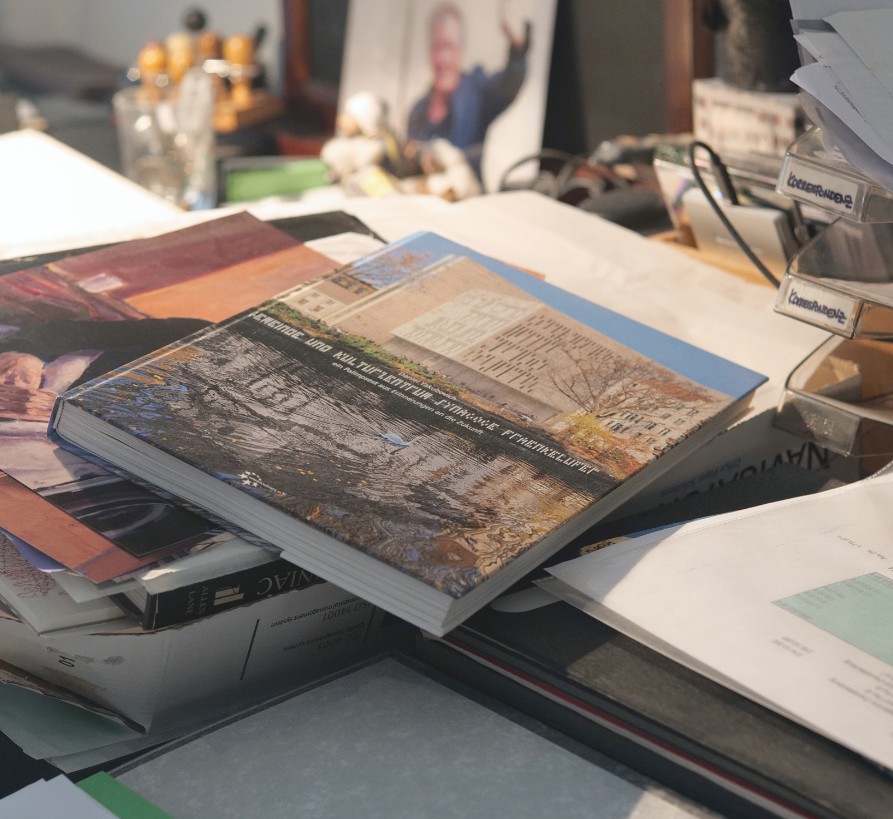
The second edition of the monograph on the Fraenkelufer Synagogue seeks to give expression to a personal development over the years since the first publication: from the initial pleasure of designing to critical distance, from constructive intervention to contemplative reflection. Whereas the first edition primarily sought to make the architectural strengths of my own design visible, this new edition understands itself as a gesture of archival documentation for posterity. It attempts to cast one final glance at a period of struggle for participation and representation, not as a full stop, but as an open ending: like the three dots of an ellipsis, inviting further thought, suspended between memory and possibility.
The contributions that follow are excerpts from the second edition. They address those who understand architecture as more than form: as a mirror and a language of the relationships it produces. Those who seek not only solutions, but a considered stance. And those who know that sometimes it is the rejected stones from which something enduring is built.
“The stone that the builders rejected has become the cornerstone.” — Psalm 118:22