
on the pathology of a hobby and schizophrenia of talking furniture
“These pieces of furniture, these things, they breathe. They moan at night and sniff at dawn.” — Free after Rainer Maria Rilke 1
Those who begin to gather things around themselves will one day notice: they live not only with furniture. They live with old people. They stand in the corner, they hang on the walls, they lean on doors. They bring with them stories that can no longer be told, and a silence that is louder than any conversation. One then lives in a living community with the past, with furniture that breathes, with bowls, the memories emollient, with mirrors that throw back more of the time than of ourselves.
From this experience every collection arises: not out of a desire for possession, but from a silent acceptance of the stories that others have lost. We buy what others can no longer possess. We adopt what has become homeless elsewhere. And yet it remains a misunderstanding to believe that collections follow a meticulously composed plan, have come into being intentionally or could ever claim a self-contained collection corpus. Anyone who has ever bought a jardinière or acquired a historical master’s desk, which was sold only because the bereaved wanted to get rid of memorabilia on their deceased, who knows: Collections are the most beautiful product of sentimental caprioles and the Agreements with chance that shape our lives.
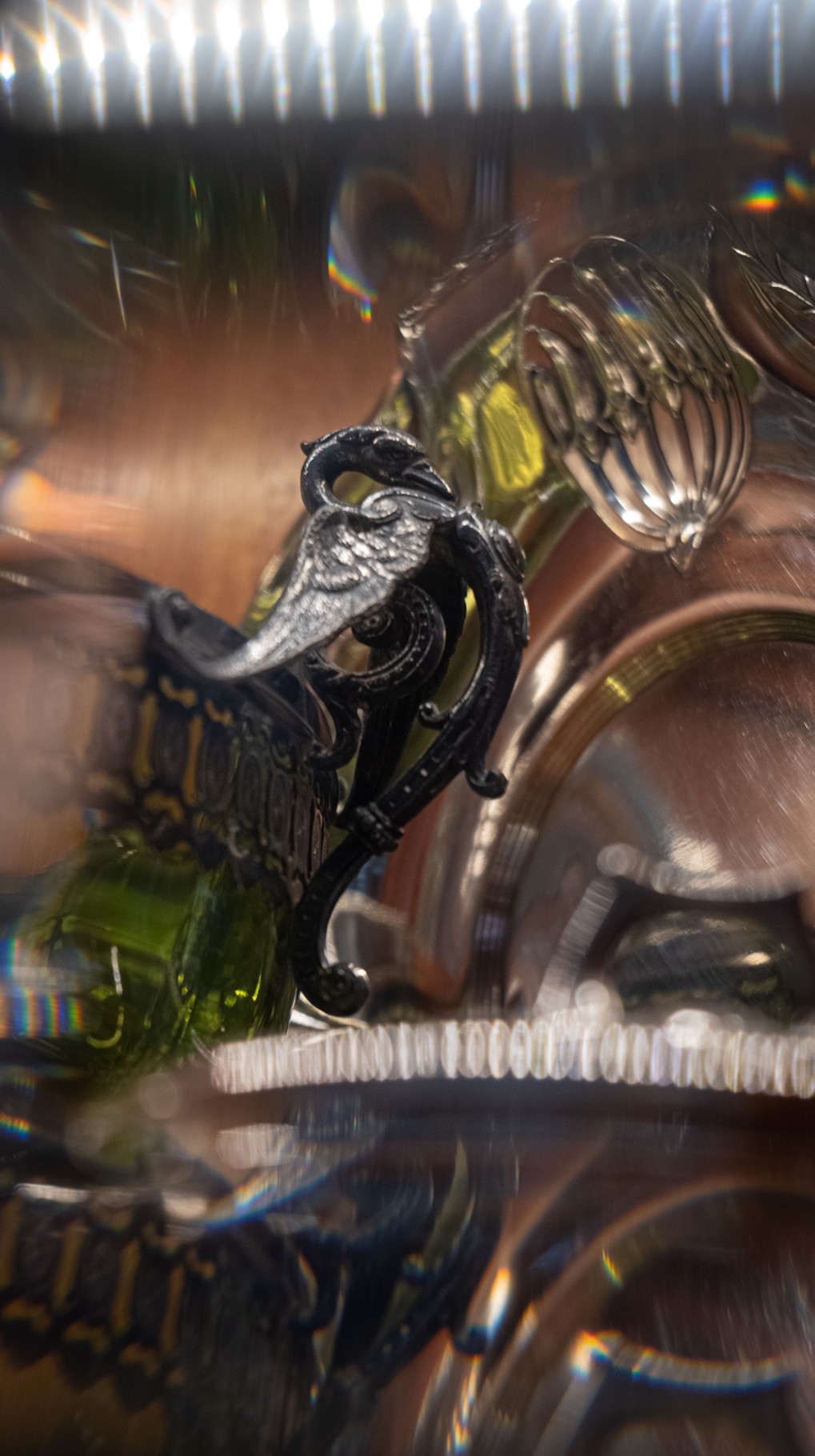
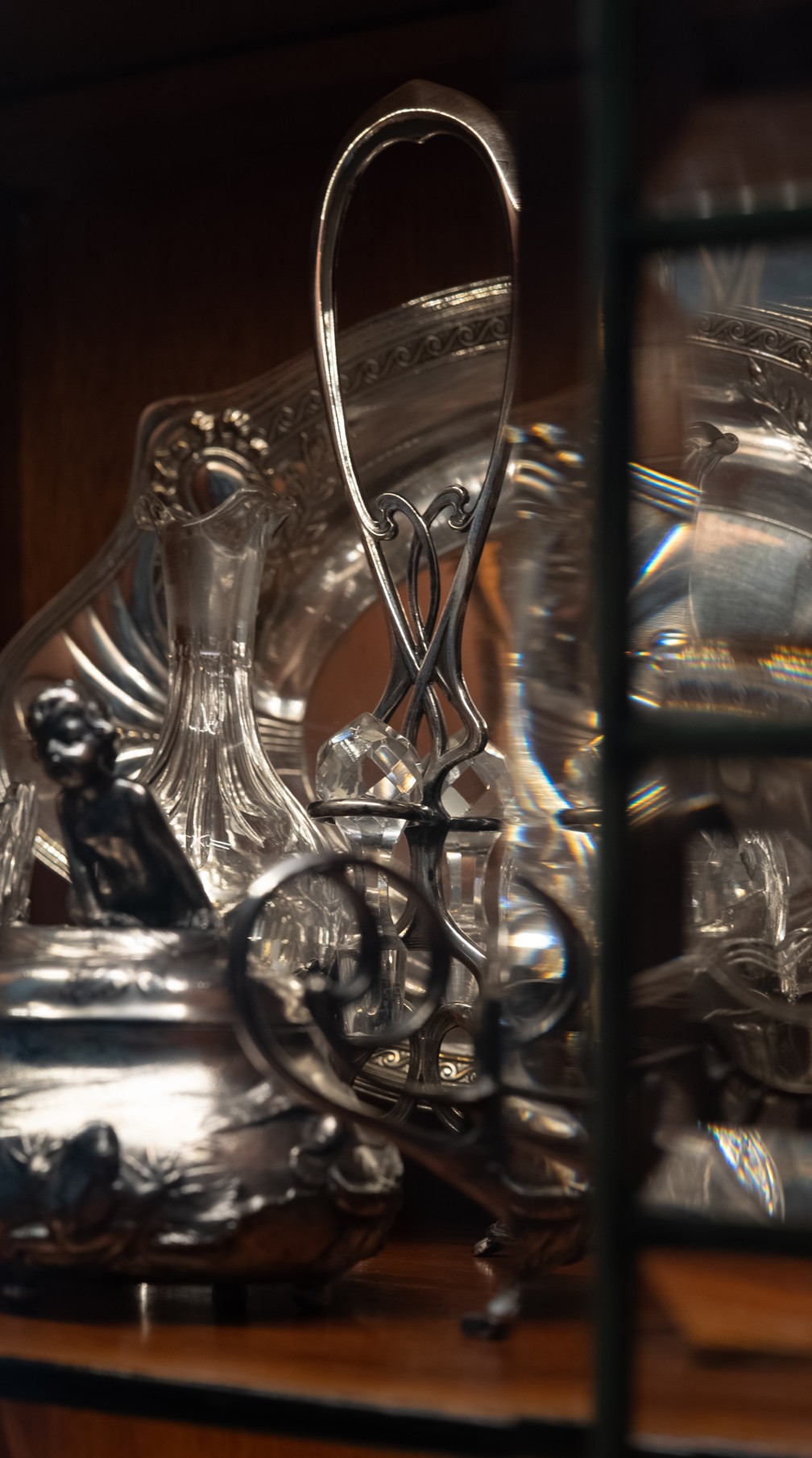
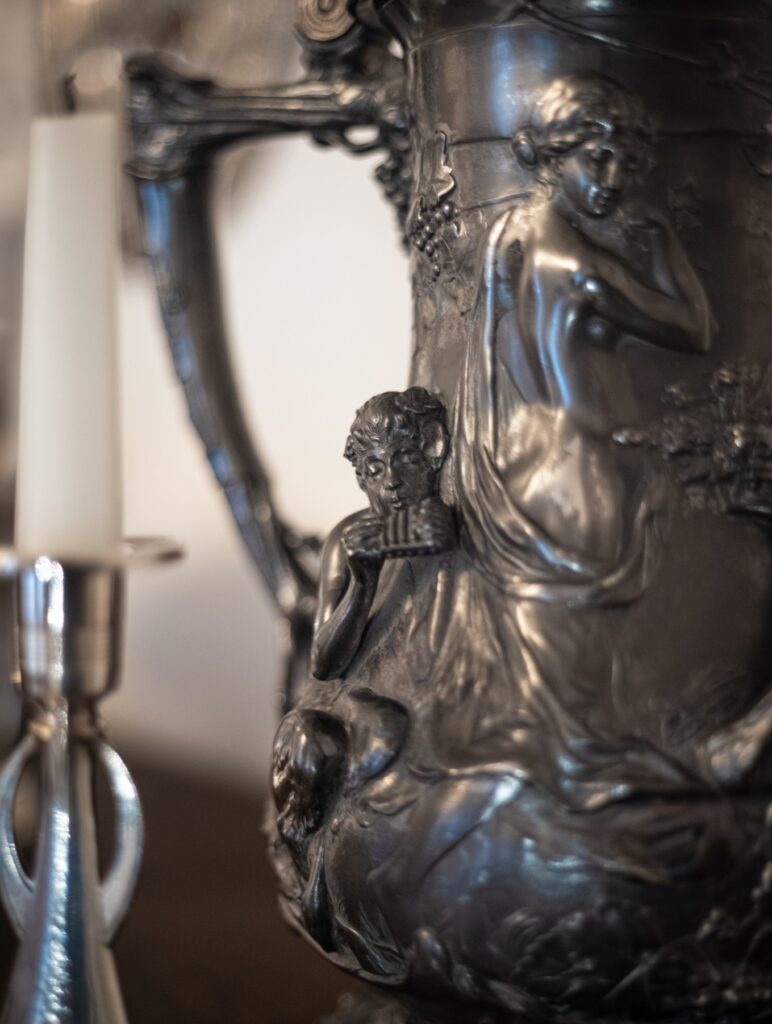
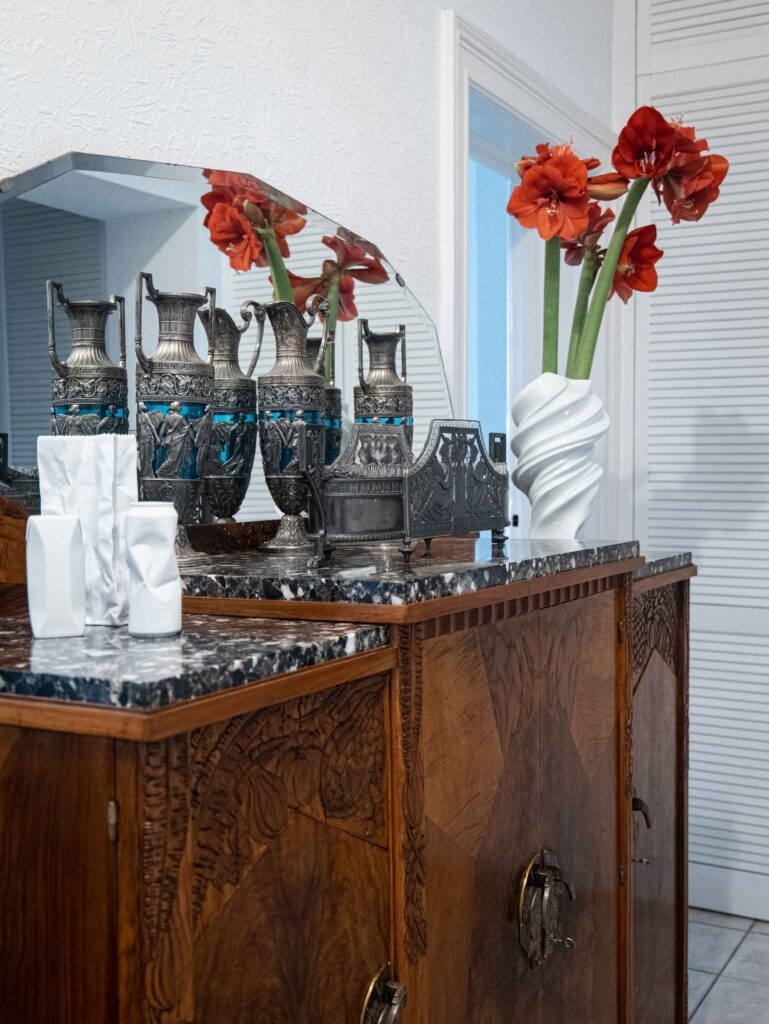
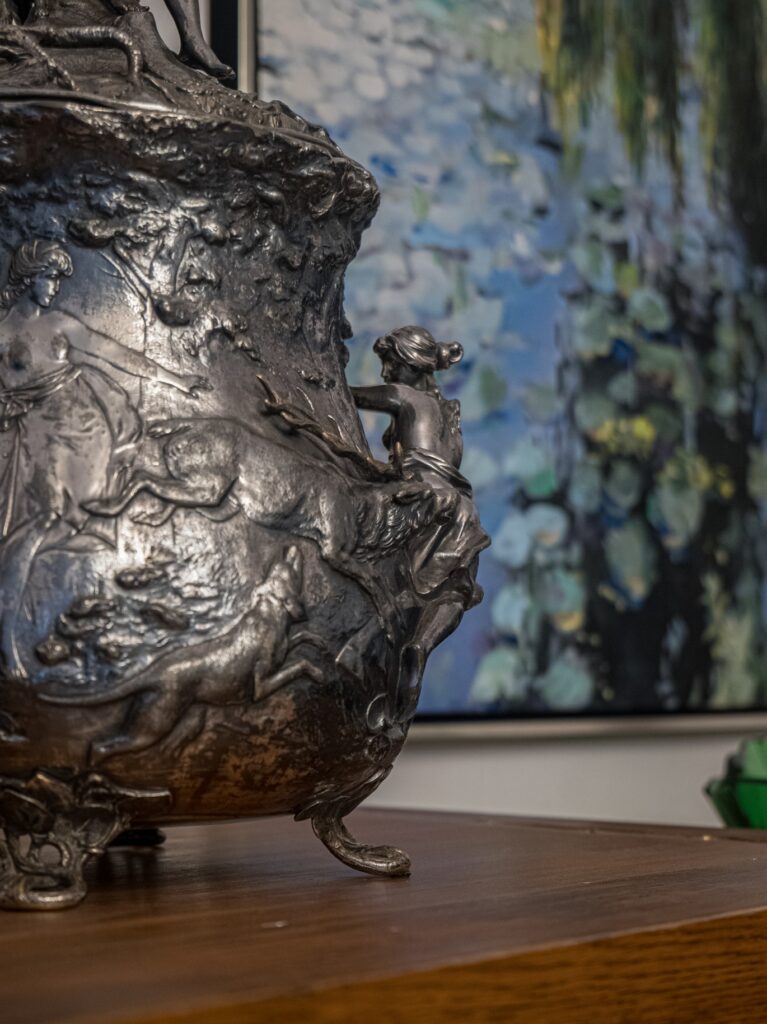
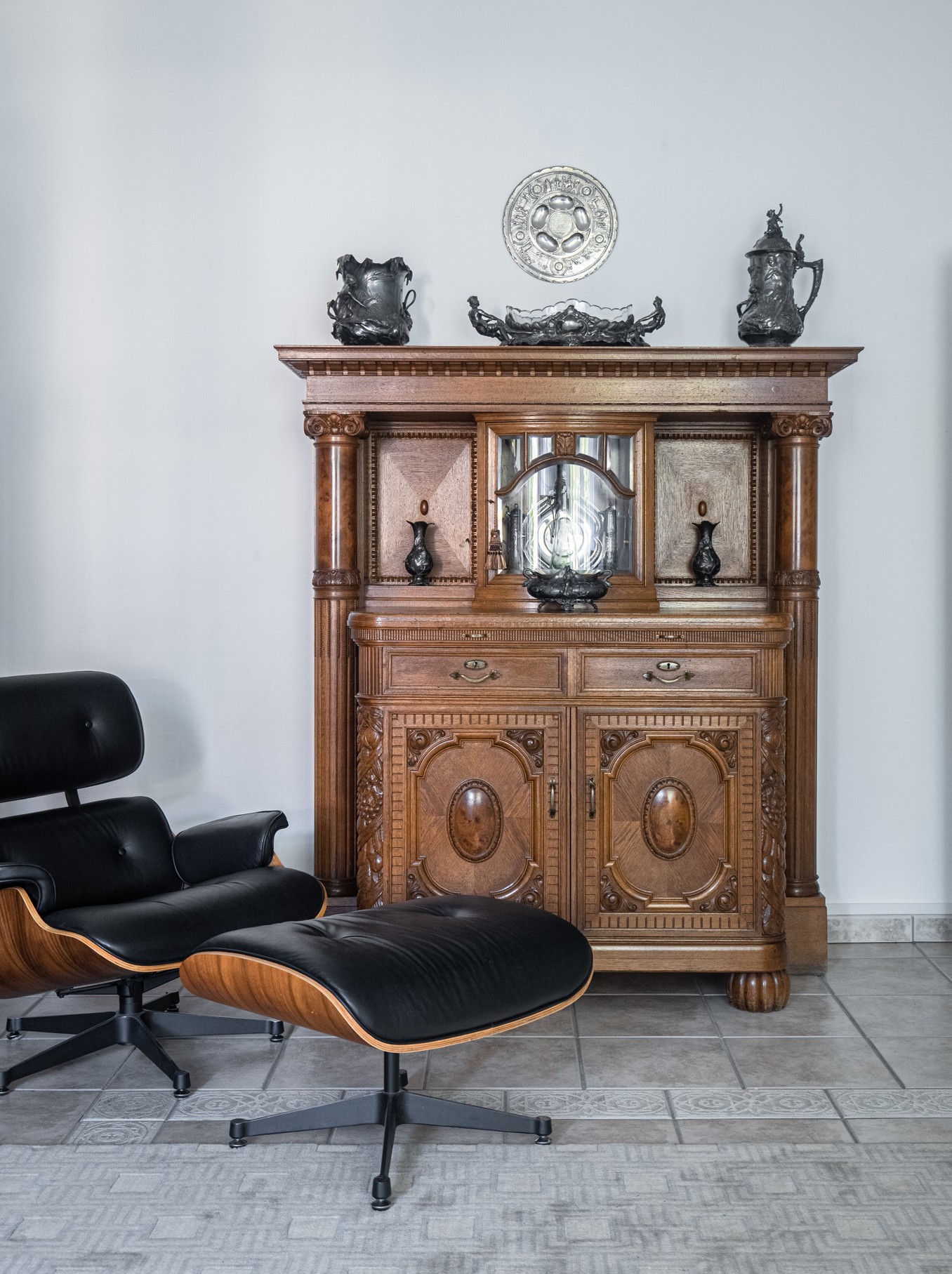
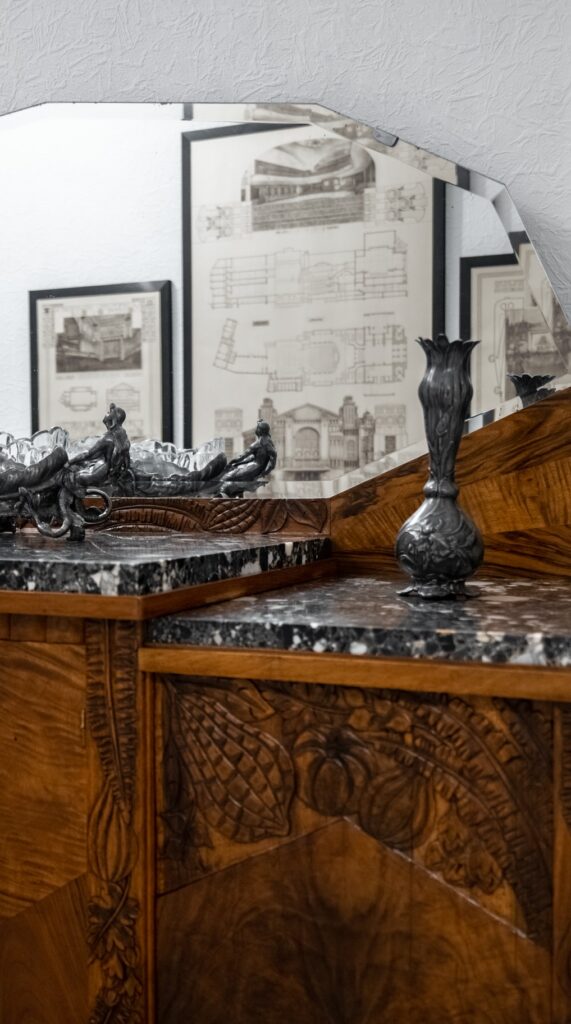
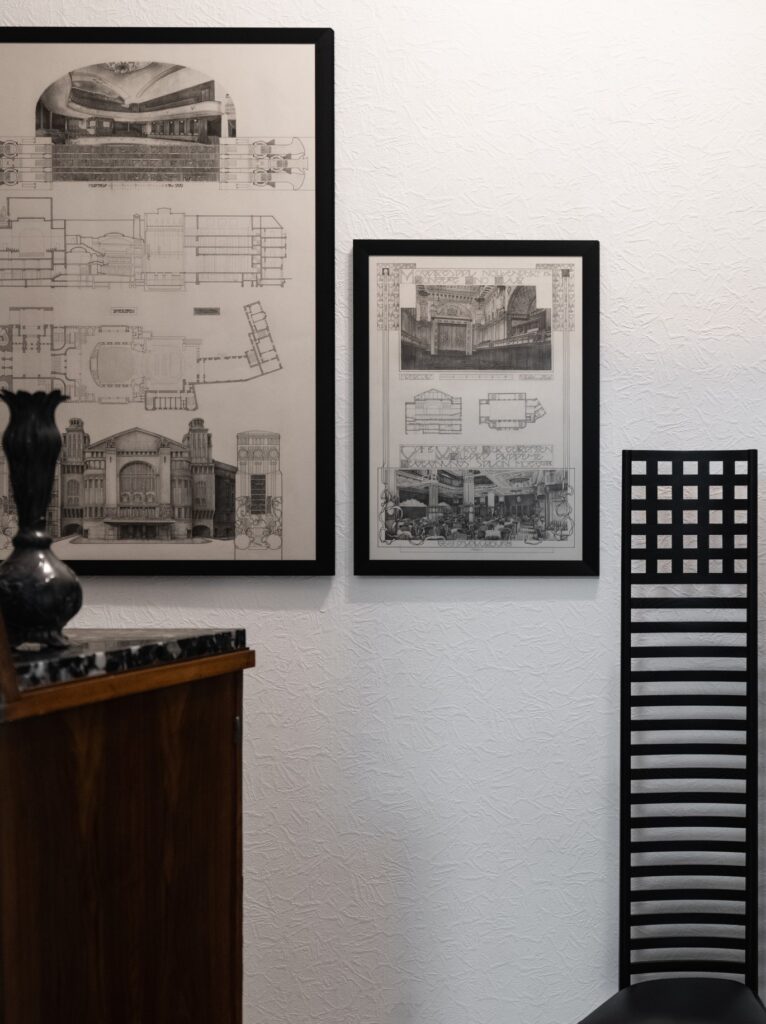
What at first glance looks like an arbitrary accumulation of silver goods, furniture, sculptures and vases is in fact a precise Cartography of addictions and longings: addictions from greed and inner emptiness. longings for fear of one’s own impermanence. longings for perseverance in an ever-invading world. You don’t collect things. You gather time. You map the disappearance.
Walter Benjamin has expressed this mechanism in broad, almost baroque prose, which can be summed up in one sentence: The true collector doesn’t own his things, he gets obsessed with them.2
At the same time, collections are also a mosaic of small rescues: fragments of beauty, everyday life and memory that, once hidden, gain an excess of meaning that is more than the sum of their mere material parts. Every sculpture requiring restoration, every Jardinière miraculously saved by the confusion of the 20th century, every vase returned from the former German households beyond the Oder–Neisse, each running silver spoon has a provenance history and an art-historical classification. his own story, Fragment for Fragment as if it were a Insurance against your own disappearanceJust as we live today among our finds, in a quiet community with stories that are not ours, we bought ourselves a new chronicle – composed of fragments of foreign life.
In a hundred years, none of this will belong to us. Others will live where we live today. Others will sit on these chairs on which we sit. Others will look into these mirrors and pass by these bowls carelessly – or love them again. You don’t collect things, you collect time. One maps the disappearance, brings together stories and (he) brings memories together. But for a moment – this fleeting, unruly moment – we hold things down. And maybe, just perhaps, something of what we have preserved here will be able to tell us: that we were there.
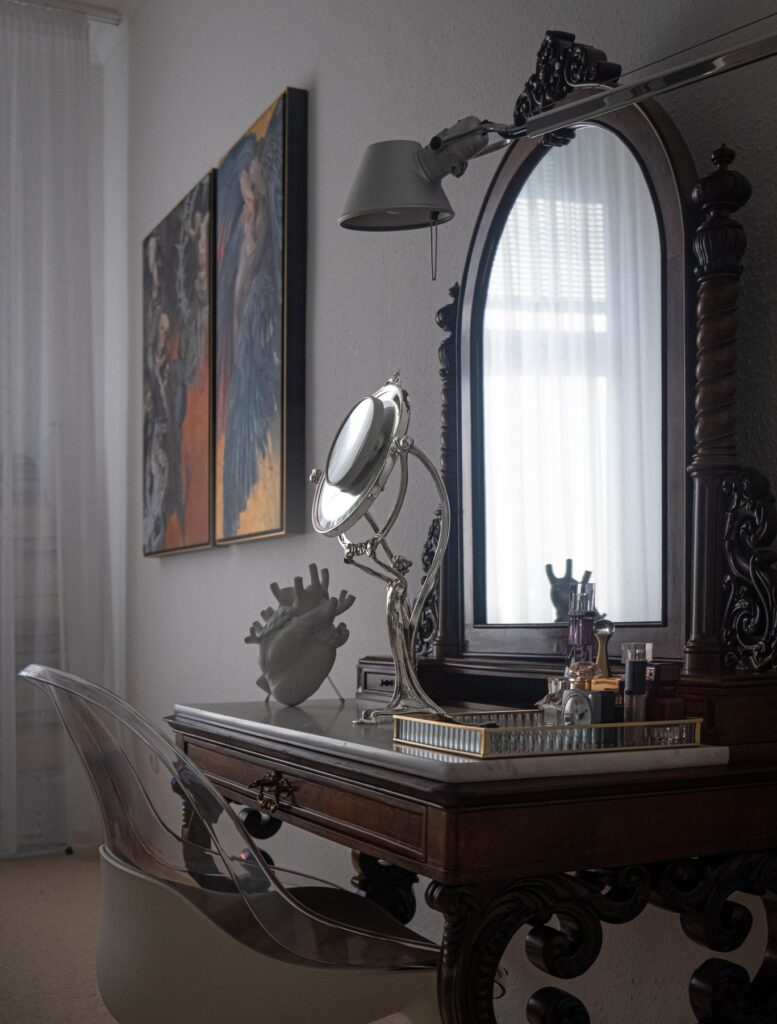
- Sentence, which precedes the text, is its own formulation and not a literal quotation of Rilke; it follows on from Parisian prose texts and the world of things Rilke, in which rooms, furniture and objects appear as carriers of a quiet, almost breathing presence (cf. Rainer Maria Rilke, The records of the Malte Laurids Brigge (1910), in particular Chapter 16, and Diary Westerwede and Paris. 1902) ↩︎
- after Benjamin, Walter: The passage workIn: Ders.: Collected ScripturesVolume V: The passage work, 2 volumes, edited by Rolf Tiedemann and Hermann Schweppenhäuser with the participation of Theodor W. Adorno and Gershom Scholem. Frankfurt am Main: Suhrkamp 1982.
„One may assume that the true collector lifts the object out of its functional contexts. But this is not an exhaustive look at this strange attitude. For this is not the basis on which an “uninterested” view builds up in the Kantian and Schopenhauerian sense, in such a way that the collector reaches an incomparable view of the object, a view which sees more and more than that of the profane owner and which one would have best to compare with the view of the great physiognomician. However, how this encounters the object has to be seen even more clearly by another consideration. One must know: the collector is present in each of his objects, and that is how the world is arranged. But it is arranged according to a surprising, even incomprehensible connection with the profane. He stands for the common arrangement and schematicization of things roughly like their order in the conversational dictionary to a natural one. One only remembers from which concern for each collector not only his object but also his entire past, just as belongs to its origin and factual qualification as well as the details from its seemingly external history: previous owner, first-generation price, value etc.“ ↩︎