(in reference to Dostoyevsky)
Excerpt: The present series examines public building as a system that disassembles responsibility into ever finer responsibilities until no one bears any responsibility and is not liable. The texts see themselves as an approximation to possible reform impulses. How do we rebuild again without using standards, evidence and procedures the budget – and how do building culture and cityscape remain?
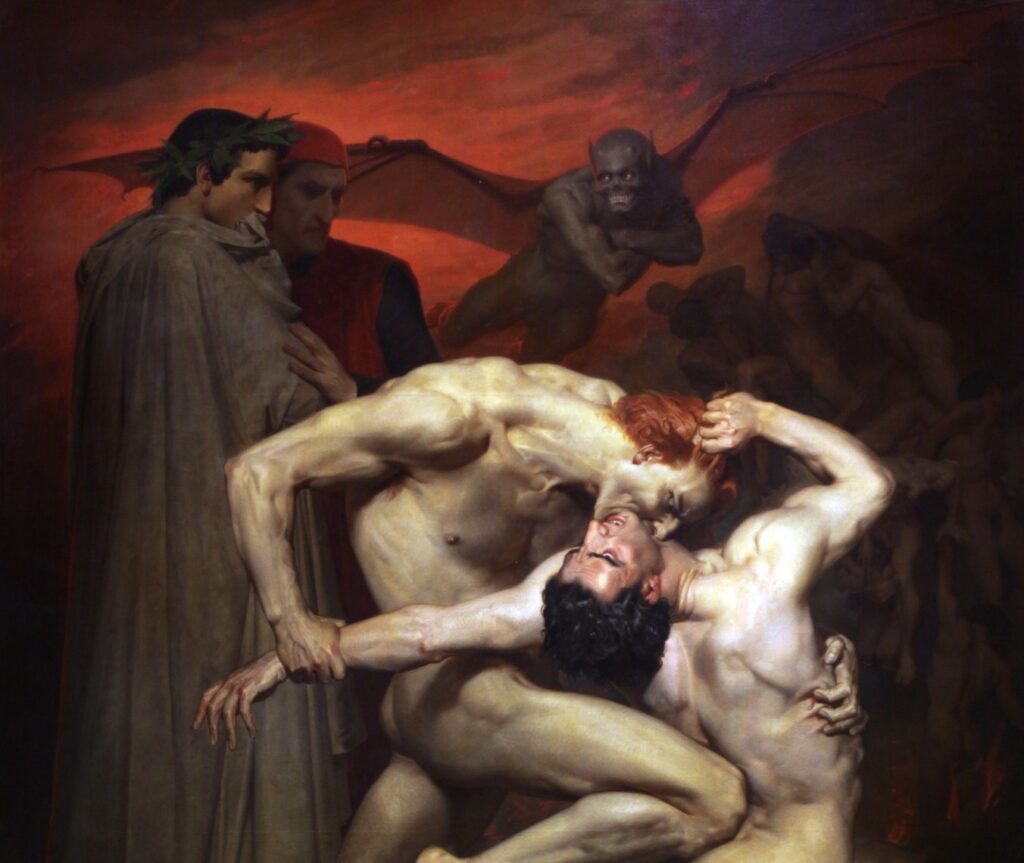
- Theses 1: Building is too expensive. In most cases, the reasons are: energy and producer prices, inflation and material. The common error: If everything becomes more expensive, the state has to keep up more closely by “checking costs” – instead of pooling responsibility and making decisions. Often it is overlooked how much the necessary proof density, bureaucracy and process complexity drive the costs. Example: between the “nail in the wall” and the wage of the construction worker 9 jobs are created — most without value creation (building workers → building managers → accounting accountants → technical building supervision → project management → public builders → accounting invoice recipients ← audit by donors and Court of Auditors). These 9 work steps are similar to the “new hell circles” in Dantes Divine Comedy.
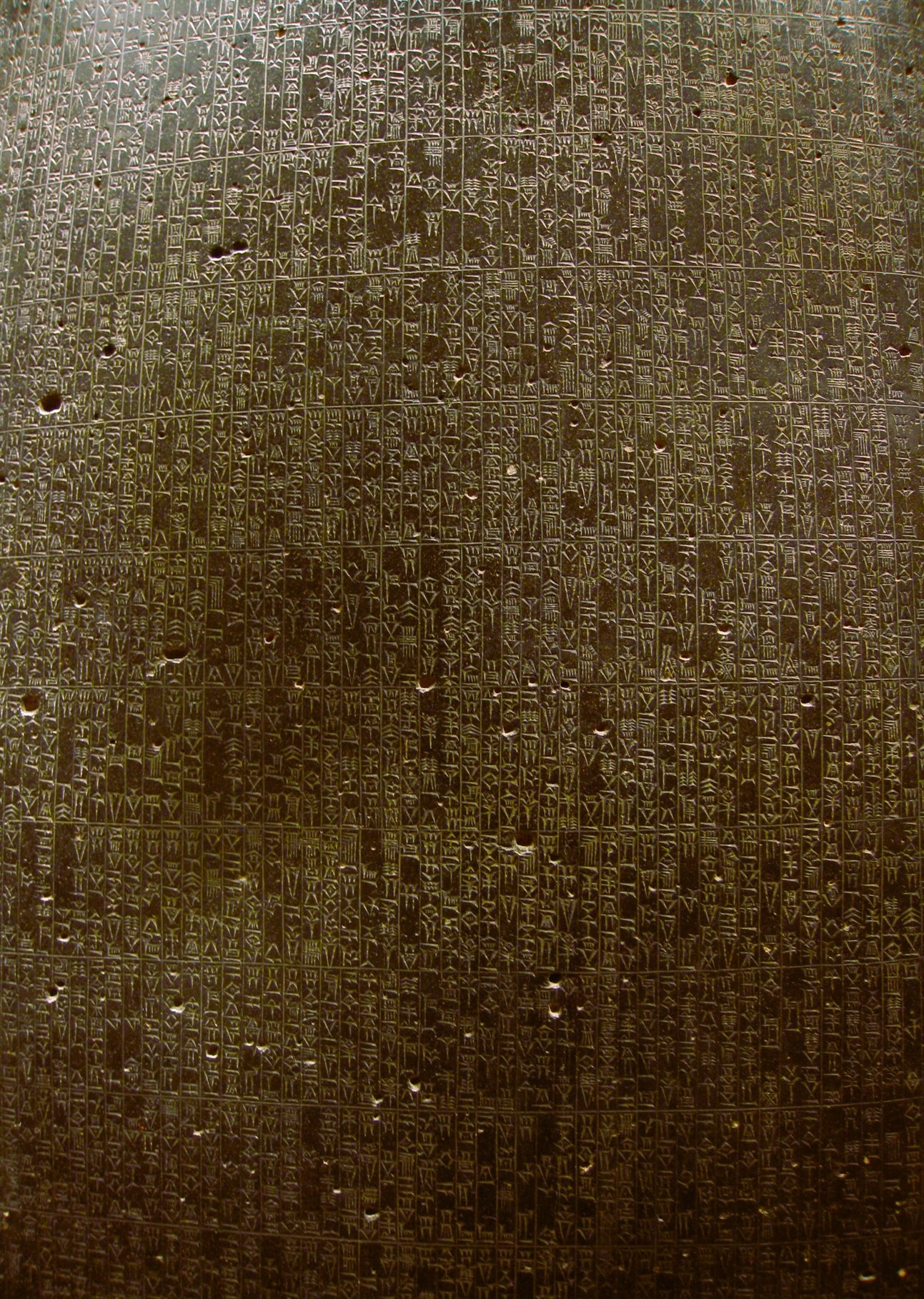
- Thesis 2: Lobby-driven norms, laws and test requirements act as additive layers that displace design and scope for action. Example: 57 kilometres of high-power cables were installed in a two-storey school in Berlin because ventilation, sound insulation, digital requirements and technical standards are swinging up each other. Much of the operation can also be solved analoguely, for example by manual ventilation. Politically relevant: This is not a “luxury”, these are structural costs!
- Thesis 3: With this number of standards, quality does not increase automatically because evidence and liability paralyze design and execution.
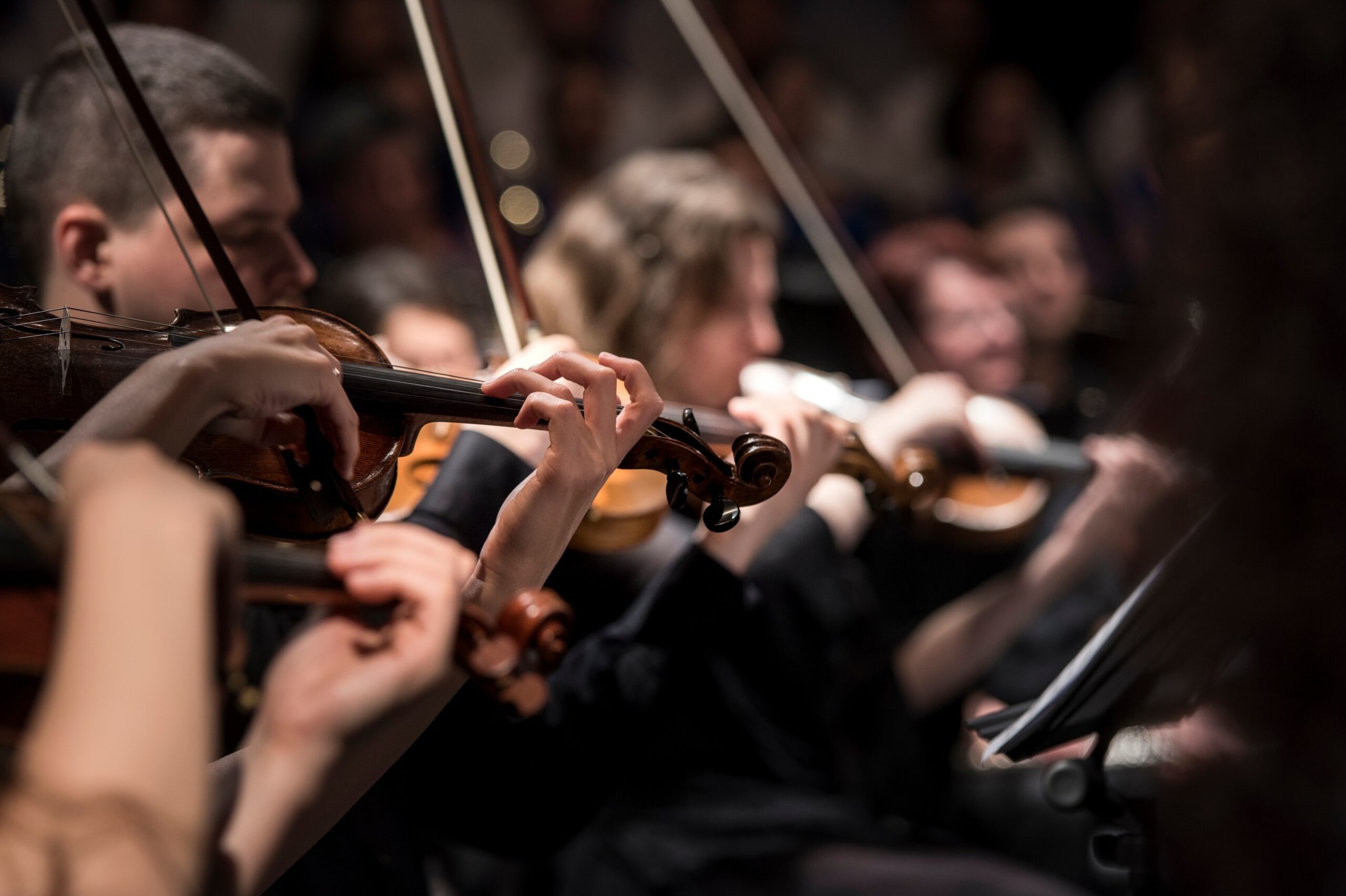
Part II (“Streichkonzert”, “Streichkonzert”) shows the potential for savings on an anonymized construction project of € 60 million gross total volume (builder: Land Berlin) according to the tempi of its feasibility:
- Now (Allegro): Tightening of test cascades, dismantling of double tests. Saving: 1.6–2.2 million € (around 2.7–3.7 %). Works immediately, sends clear signals to the middle class!
- Medium-term (Adagio): Standard cleaning and piloting of the “E” type of building create scope for simplicity without compromising quality. Savings: €3–6 million (5–10%), with part of “paper reinvested in the walls.”
- Long-term (Largo): A change of mentality from contract and settlement models with a bonus-malus principle (integrated project execution) and a reformed procurement practice. Tax law is also a lever. According to studies, the potential here is 10–15 %, i.e. €6–9 million.
In sum: With 10 such construction projects, we are talking about a total volume of €600 million over approximately 5 double budgets. A conservative corridor of 8–12 % then corresponds to around €48–72 million – funds that can either be targeted into building culture and quality or into new projects! That would be 11 major projects, one school more, one theater modernization more, one apartment block more!
“Hell doesn’t start with fire, but with order.” – “These nine hell circles of Dantes are no longer an allegory here, but a real process.” – “It is less decisive that it was built than it is demonstrably built.” – “It’s not ‘to build faster’ that the commandment of the hour is, but ‘to decide more quickly and to answer more clearly’.” – “A system that wants to prevent standstill generates it administratively – and then pays it in the form of default interest and mistrust.” – “Germany’s construction industry threatens to be trapped in a ‘golden cage’ out of regulations.”
Long version: Part I–III