

I. The Grace of Forgetting
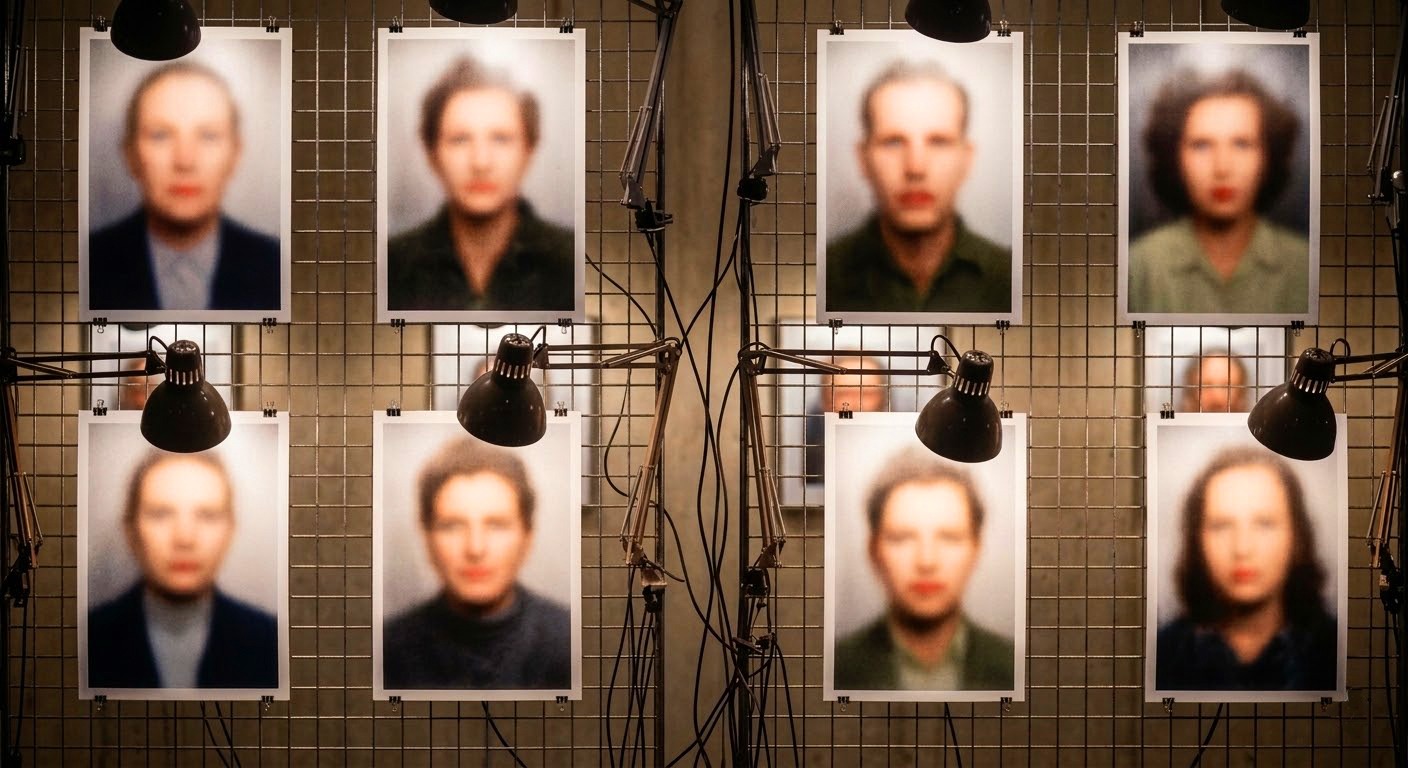
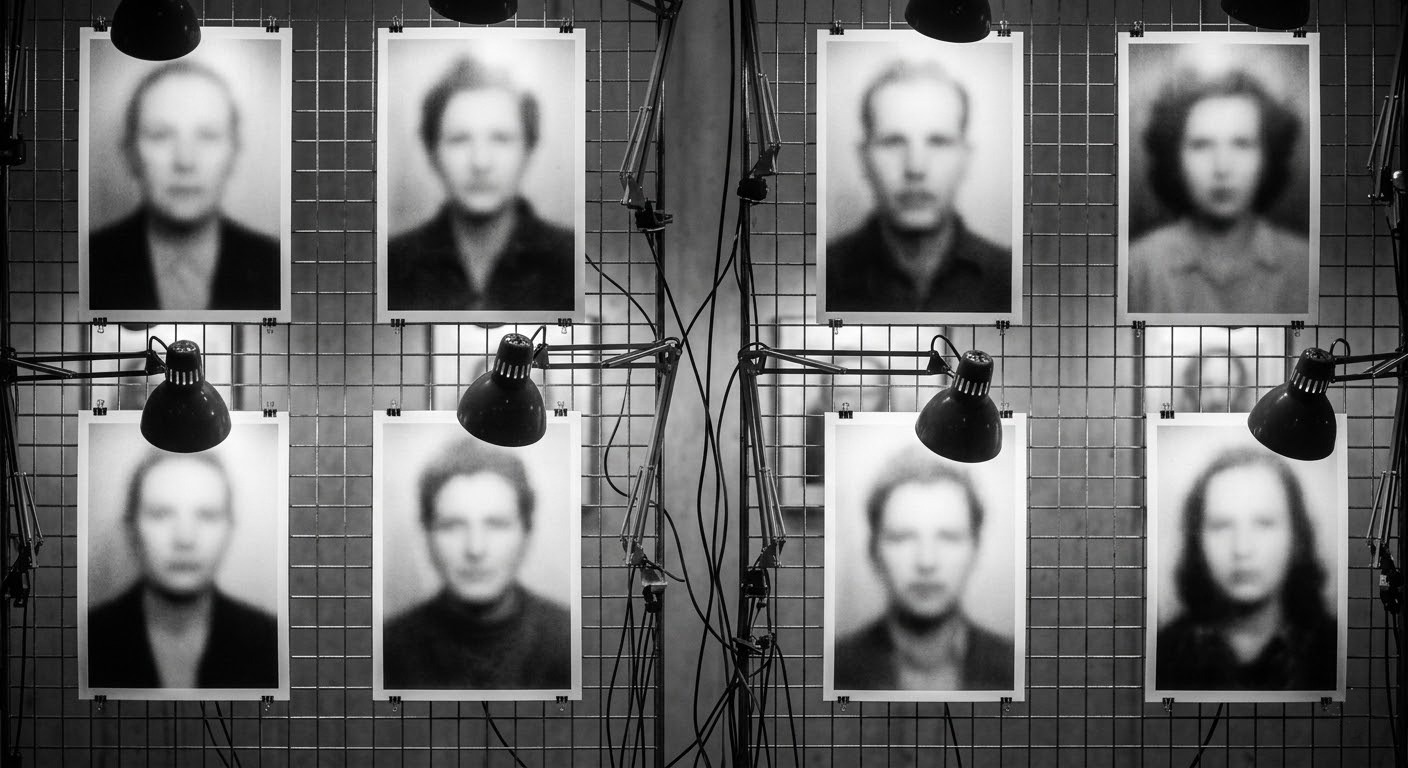
Names become sounds, voices become noise, people become outlines. What is uncanny about forgetting is its politeness: it takes nothing away, it merely muffles—until sentences have no destination, memories no place, questions no foothold. Forgetting is not emptiness but something mistaken for normality: everything seems ordered, yet everything drifts. For someone losing their sight, faces become outlines and outlines become phantoms, until only an echo remains: feeling, impression, colour.
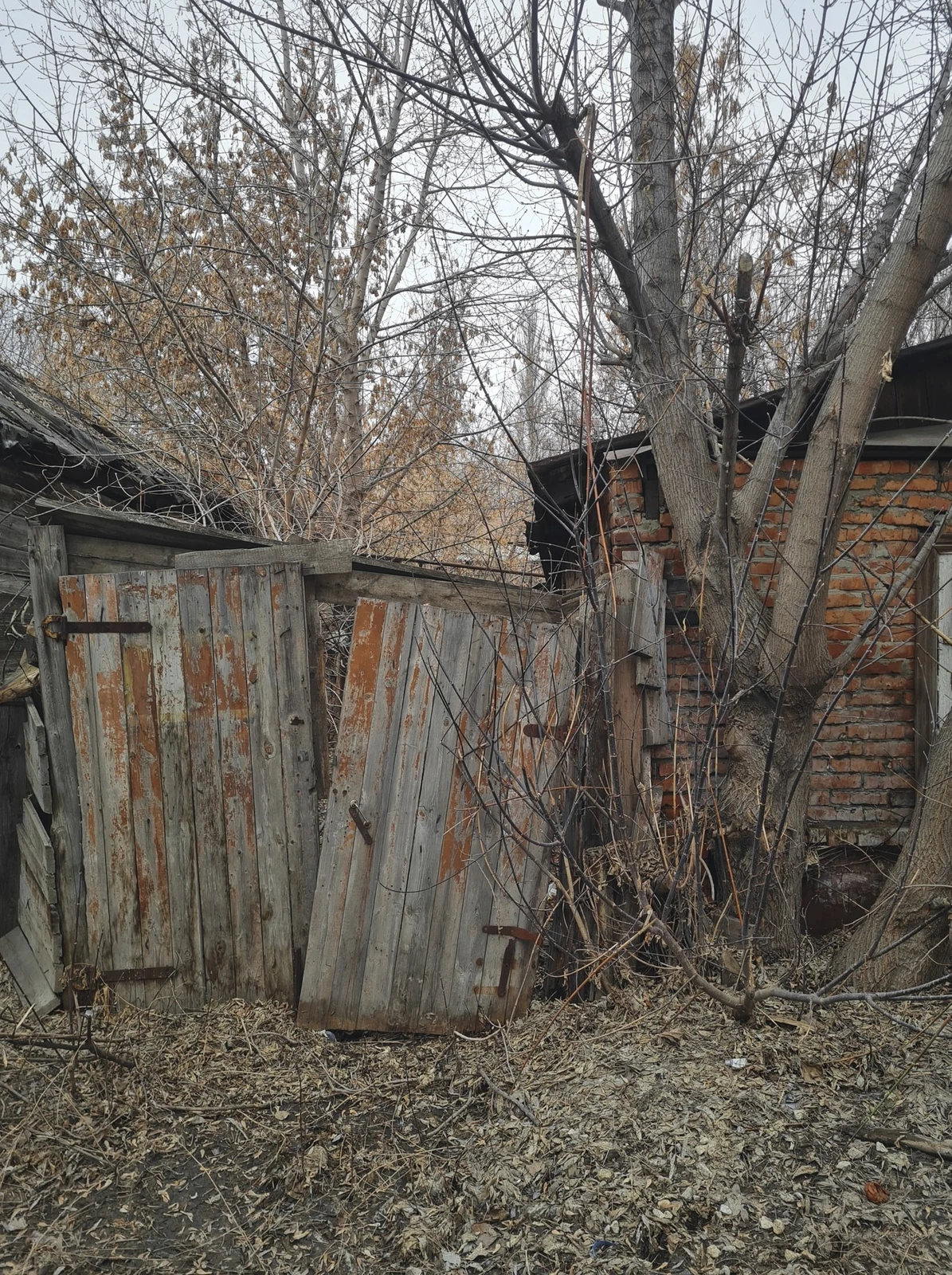
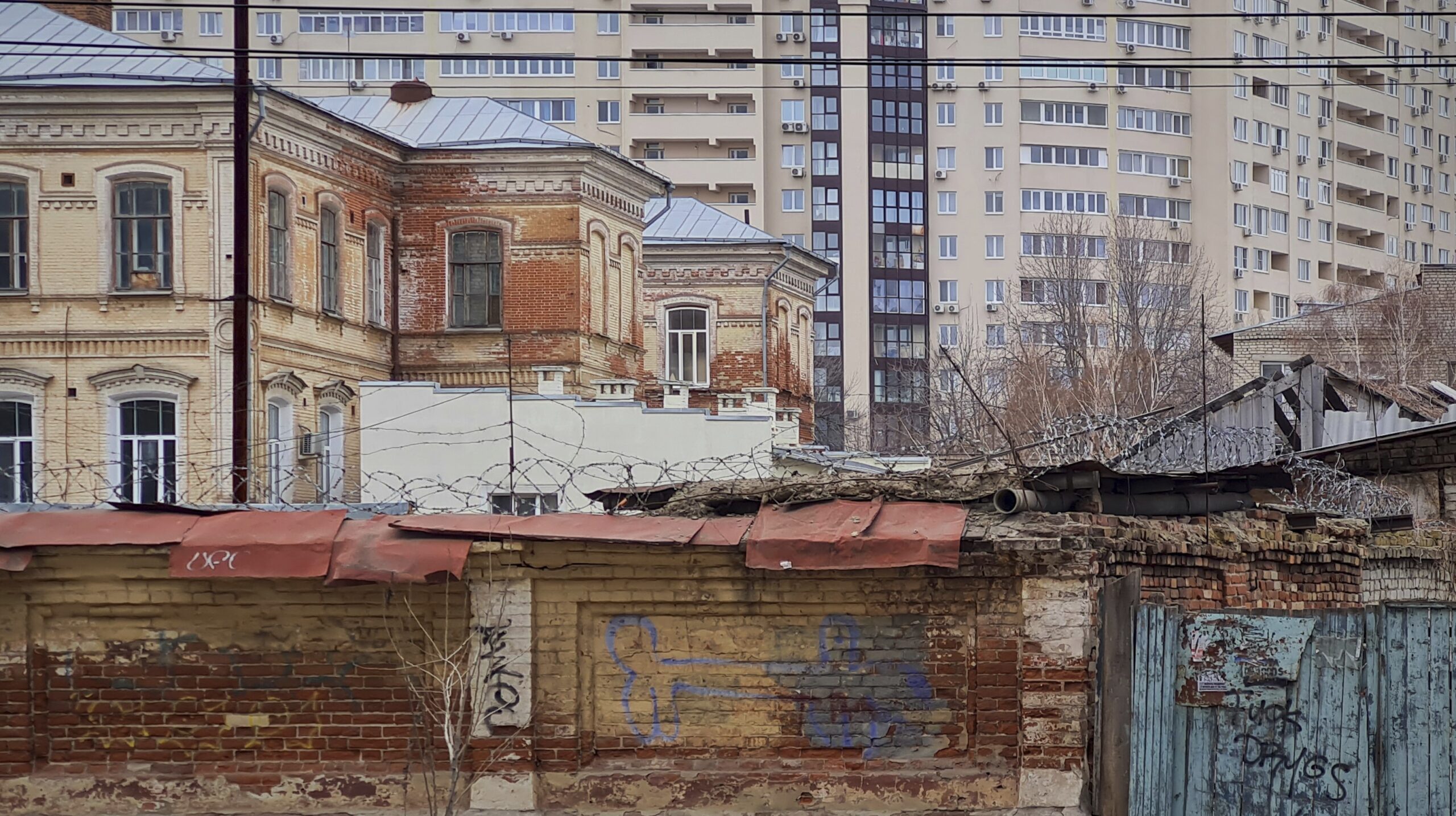
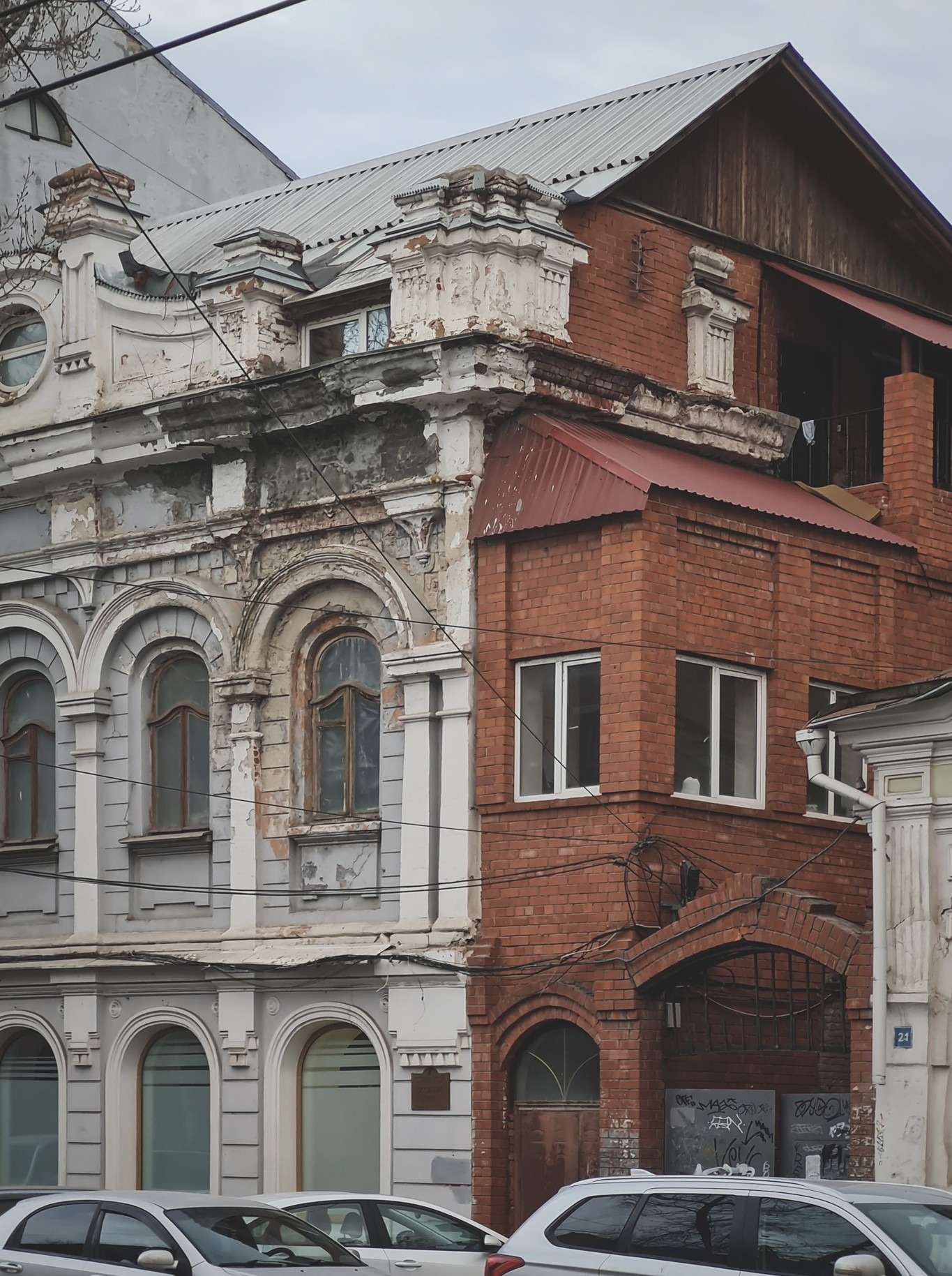
One might almost speak of a form of blindness. My memories of my birthplace are only blurred outlines, vague impressions perhaps gathered before the age of four or five. Returning after more than twenty years, everything was new. Not only the city had to be rediscovered, but the memory of it; not only streets and façades confronted me, but the time that had settled between them. Not only had the feeling become unfamiliar, but so had the gaze of those who once knew a child and now faced a grown man.
New, too, was my view of childhood objects: crystal vases and bowls, war trophies and Weimar-era tableware, my great-grandfather’s books. They stood in an old black wall cabinet, dusty and silent, spine to spine, as if they had never left the house. Dust settled around the things like a protective film. On one hand, apparently ordinary mass-produced goods; on the other, perhaps the last material carriers of memory, a way of reaching wartime generations I had never known personally.
What survived did so not through strength but through selection. Between bric-a-brac and relic, between forgetting and remembering, there is often only a moment: picking up, classifying, interpreting. It happens through stories, display cases and purchase receipts. Yet rescue from the production line also brings the coldness of an authoritative frame laid over the object. This transition is the real scene of action. Here meaning, origins and tradition emerge—and here we see how memory without gaps can become tyranny. Only omission makes a line narratable. Not everything preserved remains alive; some things are killed precisely by preservation. The questions consequently shift: not whether things possess a soul, but who animates them; not what is missing from completeness, but which gap is required for memory to become possible at all. Without forgetting, there is not more memory, only mass. Is the relic a victory over industry or merely an especially tenacious form of self-deception?
II. The Mercy of Incompleteness
It is a narrow line between the sacred and the scrapheap, cult and catalogue, matter and power. What matters is not whether objects possess a soul, but who animates them and makes them speak; not what is missing, but how absence must be marked for memory to become possible. The object becomes a witness, but the price is the loss of arbitrariness in its interpretation. Christian Boltanski’s works occupy precisely this threshold, exploring the tension between collective memory and the erosion of individual traces, between remembering and forgetting. Through installations of serial materials—clothes, suitcases and arrangements of photographs—he addressed the individual’s anonymity and fragility within the mass.1
Against the background of elaborately staged workplaces and living situations, casts of death masks and presentations of pseudo-historical individual scenarios, such as Friedrich Schiller’s last quill , a wealth of further questions opens up. Ulrike Vedder, Professor of Modern German Literature at Humboldt University in Berlin, puts them aptly: “How are things enriched with memory, with emotion? How exactly do things—as material objects that are what they are, and as objects made to speak—become occasions for memory and narration? How do they become museum pieces, heirlooms, fetishes, souvenirs, gifts of love, or rubbish, bric-a-brac and junk? And how likely or unlikely is the handing down or passing on of things?”
A monument is often less a dialogue with the past than a ventriloquist’s dummy for the present. We force Schiller’s quill to confirm our current values. The tension arises from the question: may a thing simply remain silent—be rubbish—or is that a betrayal of history? Where is the boundary between relic and rubbish, if not in the eyes of those compelled to squeeze stories from things? When does a private keepsake become common property, and who benefits from making it speak? Which things may survive when most are industrially identical—and why these in particular? Is the longing for origins a form of reconstruction, and is reconstruction a form of longing disguised as truth?
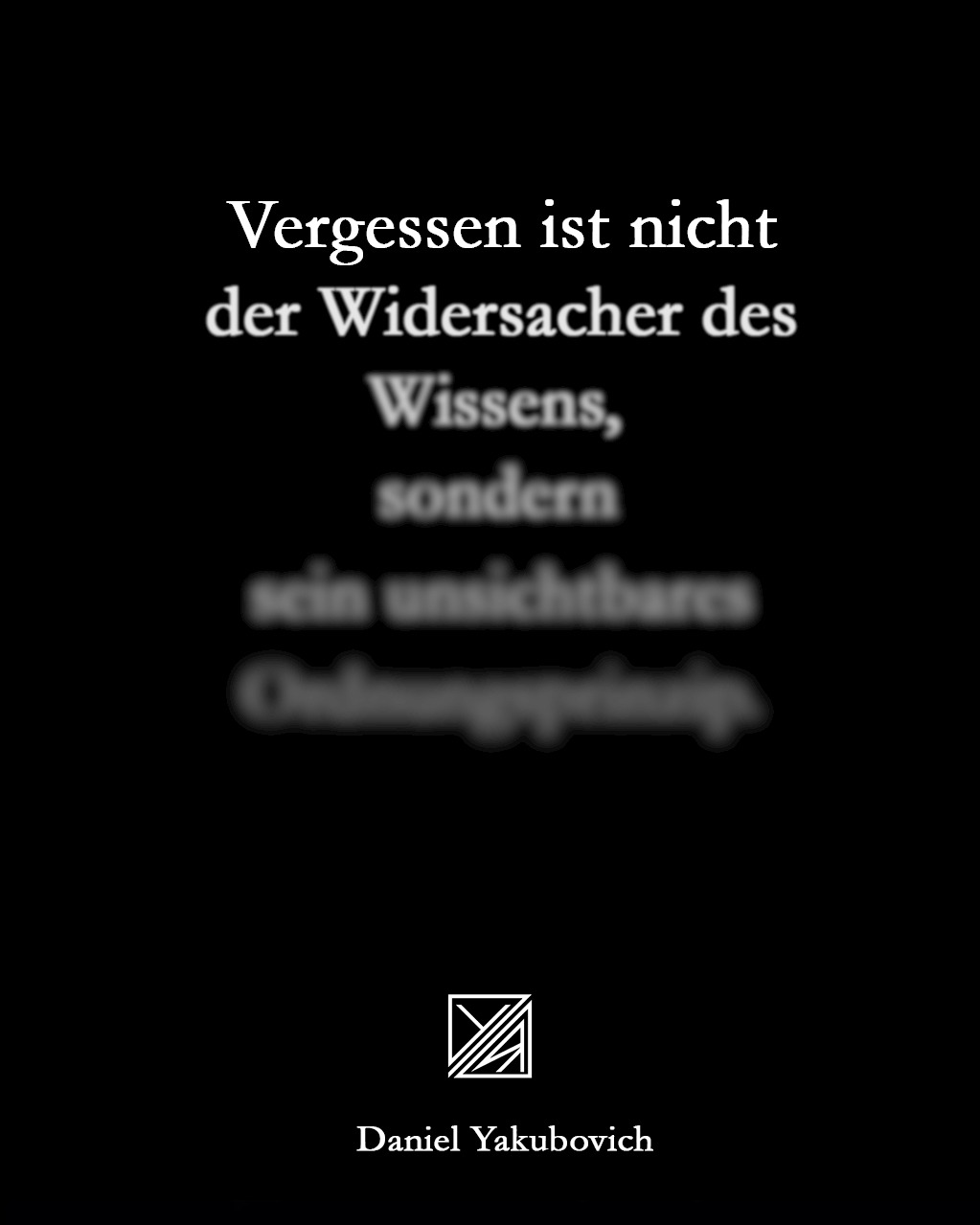
Forgetting is not knowledge’s adversary but its invisible organising principle. Only what falls away shapes an infinite abundance of traces into a narratable line of descent. Absence demands imagination. Nothingness nourishes narratives. Loss gives rise to verse. It is not memory that holds the dead, but the practices of the living; where those practices end, the person’s real dissolution into the mass begins.
III. The Blessing of Interpretation
Perhaps forgetting is not a deficiency but a gap that first compels meaning. Perhaps death, too, is not simply an ending, but the condition under which things become carriers of anything at all. From here, we can show how meaning is constructed.
Looking at Schiller’s quill and workplace, and setting them beside Daniel Spoerri’s2 Les boîtes, those equally meaningless things fixed and framed by chance, raises the question from which the politics of memory is born: where does the monument begin? Where is the boundary between the private and the shared, when reproducible things are declared objects enriched with meaning—when feathers grow back and material is not scarce? The values attributed to things are not natural givens; they are socially negotiated and can change. The boundary between relic and inventory therefore lies not in the thing but in the institutional gaze. A quill becomes not old but official—and the official is the art of administering forgetting. Reproducibility generates sympathy and devaluation at once. The more readily images and things can be multiplied, the harder the text must assert the uniqueness that the material alone no longer supplies.
The question of a monument’s value is therefore delicate, not least because its designation asserts a kind of eternity that is by no means always given. Can the commemorative value of a place be measured without simultaneously deciding whose remembrance counts as legitimate? A commemorative object is usually initiated through a desire for visibility. A chapter of cultural history is to be given a location, granting a complex of memories a right to exist through material manifestation and, at least, removing figures such as Luther or Schiller from the elusive abstraction of doctrines and texts.
It is striking that, despite centuries of traditions commemorating Luther, it was particularly in the nineteenth century that artists’ houses developed as a museum form3 , for example through designs by Friedrich Wilhelm Wanderer. For a long period, Western forms of remembrance were dominated by monumental, heroic and usually figurative statements in the tradition of state representation, their ceremonial pathos—triumphal arches, victory columns—invoking eternal glory. Although the Enlightenment had already brought the individual further into view, the commemoration of individuals became widespread only with the rupture of the world wars. After the First World War, religious motifs of sacrifice and the cenotaph still provided a framework of meaning; the Second World War decisively damaged traditional forms of representation. Monuments emerged in many places that, conscious of the impossibility of final meaning, no longer decreed heroically but questioned and searched. Monuments no longer wished to impose meaning. They drew the viewer into a radically individualised, often experiential and sometimes interactive engagement in which the gap itself became the monument.
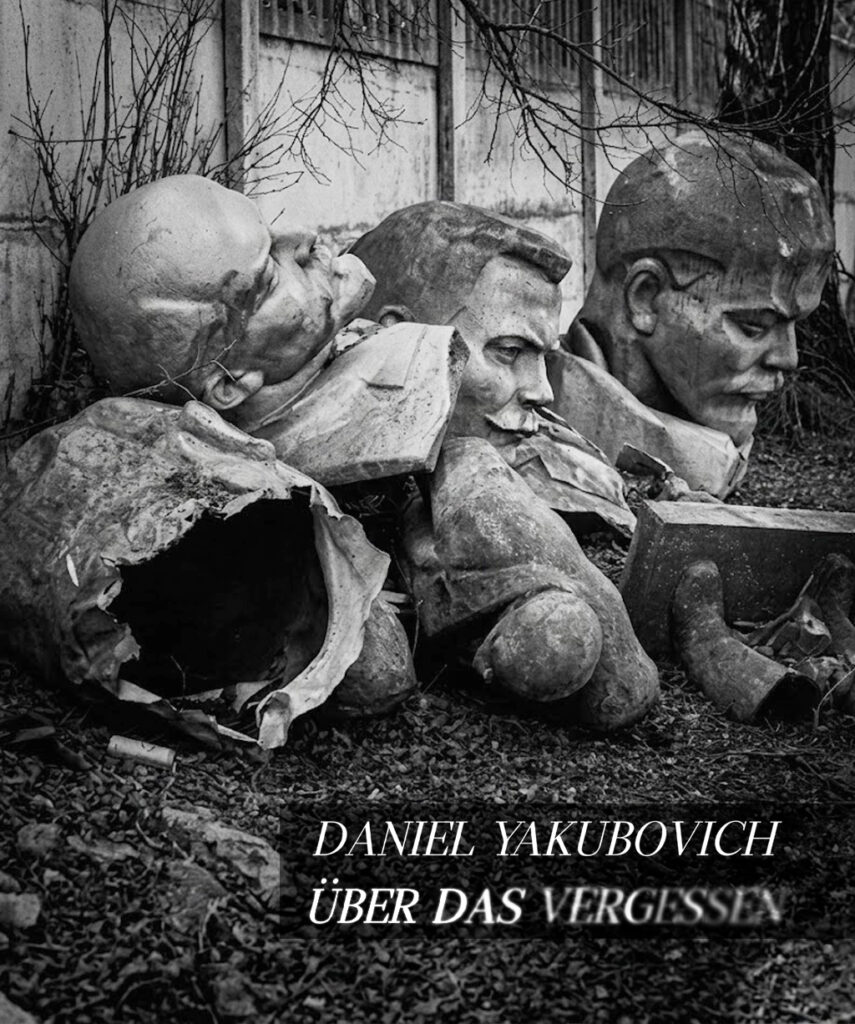
Modern monuments are no longer makers of meaning but search engines for meaning. Memory may legitimise itself by asking questions; assertions of meaning seem suspect, and forgetting must be carried along. The greatest violence therefore lies not in destruction but in recoding: in who decides what counts as a monument and what as “junk”. A practical approach to memory and monuments can be seen in the former Soviet world. The Bolsheviks already understood the particular significance of what they called “monumental propaganda” .4 Where not everything was cleared away, old pedestals met new heads. In the post-Soviet era, Soviet symbols were legally equated with Nazi symbols, for example in Ukraine and the Baltic states, and removed from public space in many places.5 Convenient, considering that new bright heads are sure to turn up soon…
Genealogy, in particular, offers a new perspective on gaps and emptiness as conditions of transmission. Where documents are missing, names break off or voices fall silent, history does not end; its real task begins: to hold on to the little that exists without dressing the missing in certainties.
- Christian Boltanski (1944–2021) was a French artist whose family history was shaped by the Holocaust. One of his best-known installations in Berlin is “The Missing House” (1990) , part of the Hamburger Bahnhof museum’s “Endless Exhibition”. In a gap opposite the former Jewish boys’ school on Grosse Hamburger Strasse, signs fixed to opposing firewalls record the names of the building’s predominantly Jewish residents, their occupations and their periods of residence before they disappeared through war, bombing or deportation. ↩︎
- Daniel Spoerri (1930–2024) was a Swiss-Romanian artist and co-founder of Nouveau Réalisme, known above all for his “snare-pictures” (tableaux pièges), in which he fixed chance arrangements of everyday objects and preserved them as art. ↩︎
- Since the nineteenth century, such houses have been widespread forms of museum commemoration. Through interiors and traces, they curated and preserved supposedly authentic living and working spaces as evidence of genius, work and aura. ↩︎
- “Monumental propaganda” denotes Lenin’s early Soviet programme to recode monuments as a deliberate medium of political memory. It was initiated by the decree “On the Monuments of the Republic” (О памятниках республики) of 12 April 1918 and published, among other places, in Izvestia of the All-Russian Central Executive Committee (Известия ВЦИК) on 14 April 1918 and in the Collection of Laws of the RSFSR (Собрание узаконений РСФСР), no. 31, 15 April 1918; see also V. P. Tolstoy, Lenin’s Plan for Monumental Propaganda in Action (Ленинский план монументальной пропаганды в действии), Moscow, 1961. ↩︎
- In several post-communist states after 1989–1991, the treatment of the past was regulated through “decommunisation measures” , ranging from the removal of symbols and renaming to legal bans on Soviet symbolism. ↩︎